What Makes Cajun Food Feel So Timeless
You notice Cajun food before you taste it when the smell of dark roux fills the air and the slow-simmered pot sends up comforting steam. Cajun cuisine carries the smoky edge of andouille and the briny promise of seafood in its aroma, and those scents arrive like memories. Families handed down simple, well-used ingredients and techniques that kept cooking alive through hardship, so the flavors feel rooted and adaptable at once. The result is familiar without being stale, and places like Razzoo’s Cajun Cafe tap into that same sense of history and warmth.
Why Cajun Food Feels Timeless
Comfort grows from simple, well-made food, and that’s exactly what makes Cajun food feel timeless.
Diners find familiarity in bold, balanced flavors in Cajun cuisine that don’t try to impress but instead satisfy.
Techniques such as slow braising, dark roux, and layering aromatics repeat across dishes, so each bite echoes a tradition that people quickly recognize.
Ingredients tend to be local, seasonal, and practical, which helps meals resonate with place and purpose.
Spices and heat are used with restraint in many seafood and Cajun restaurant dishes, enhancing rather than overwhelming the main flavors.
The cooking is communal and adaptable, and the same foundations are shifted slightly to accommodate whatever is available, preserving memory while allowing everyday innovation.
That steady mix of practicality and soulful taste anchors Cajun cuisine in time.
How History and Migration Shaped Cajun Cuisine
That timelessness grew out of history as much as taste, and waves of migration and hardship shaped the ingredients, techniques, and attitudes that define Cajun food.
Cajun roots trace to displaced Acadians who adapted French peasant cooking to a new and often harsh landscape. Resilience appears in one-pot meals, preservation methods, and improvisation when supplies were scarce.
As people moved within Louisiana, they borrowed from Native American, Spanish, African, and later American neighbors, blending methods like stewing, smoking, and roux-making into a distinct Cajun cuisine.
Family recipes carried survival knowledge and community identity as well as flavor. When you eat Cajun dishes or visit a Cajun restaurant, you’re tasting adaptive choices made under pressure that remained practical, resourceful, and proudly preserved across generations.
Bayou Ingredients That Anchor Cajun Cooking
Bayou staples—rice, crawfish, Gulf shrimp, okra, and smoked sausage—give Cajun cooking its backbone, and they shape flavor as much as technique.
Local produce like bell peppers, onions, and celery provide freshness and structure to Cajun cuisine, while tomatoes and garlic add brightness.
Filé powder and cayenne are used sparingly to lend earthiness and heat without overwhelming the ingredients.
Bay leaves and thyme are tucked into pots to build subtle herbal notes in seafood stews and other dishes.
Fresh seafood brings brininess that pulls other elements together, and smoked meats contribute depth and aroma.
Seasonal availability guides Cajun food, so what’s abundant dictates dishes and makes each meal feel rooted in place and time.
Key Techniques: Roux, Holy Trinity, and Simmering
Those local ingredients mean little without the techniques that pull them together, such as a dark, nutty roux, the holy trinity of onion, celery, and bell pepper, and patient simmering.
A roux is started by cooking equal parts fat and flour slowly until it turns the color and aroma desired, and a darker roux adds depth and helps bind sauces without being rushed or burned.
The holy trinity is sweated to build a savory base, with vegetables cut uniformly so they cook evenly and release flavor for classic Cajun cuisine.
After combining the components, the pot is left to simmer gently while foam is skimmed and liquids are adjusted so proteins stay tender and flavors meld in a way familiar to a seafood-focused Cajun restaurant.
These methods demand attention and timing, and when executed well the dish holds together.
Cajun Flavor Principles: Balance, Smoke, and Time
When you taste authentic Cajun food, you notice a careful balance between bold seasoning, smoky undertones, and the slow development of flavor over time.
Each element has just enough presence to complement—not overpower—the others. Layered seasoning of salt, pepper, cayenne, and herbs is applied thoughtfully so that heat and savor build with each bite.
Smoke from charred meat, andouille, or a quick sear adds depth without masking the dish.
Time is honored through long simmering, rested stews, and brief reductions that coax complexity and meld ingredients.
Restraint is as much a part of the cuisine as intensity because that restraint lets individual components shine while the whole becomes greater than its parts.
The result gives Cajun cuisine and seafood dishes their lasting appeal in any Cajun restaurant.
Community Rituals: Gumbo Sundays and Crawfish Boils
The same patience and restraint that build deep Cajun flavors also shape how communities gather around food, turning recipes into rituals people join. On Sundays, gumbo brings neighbors together in the way only Cajun cuisine can: everyone pulls up a chair, passes bowls, and trades stories while the pot simmers. The roux, the okra, and the filé each mark a shared rhythm, and people learn patience by watching others tend the flame.
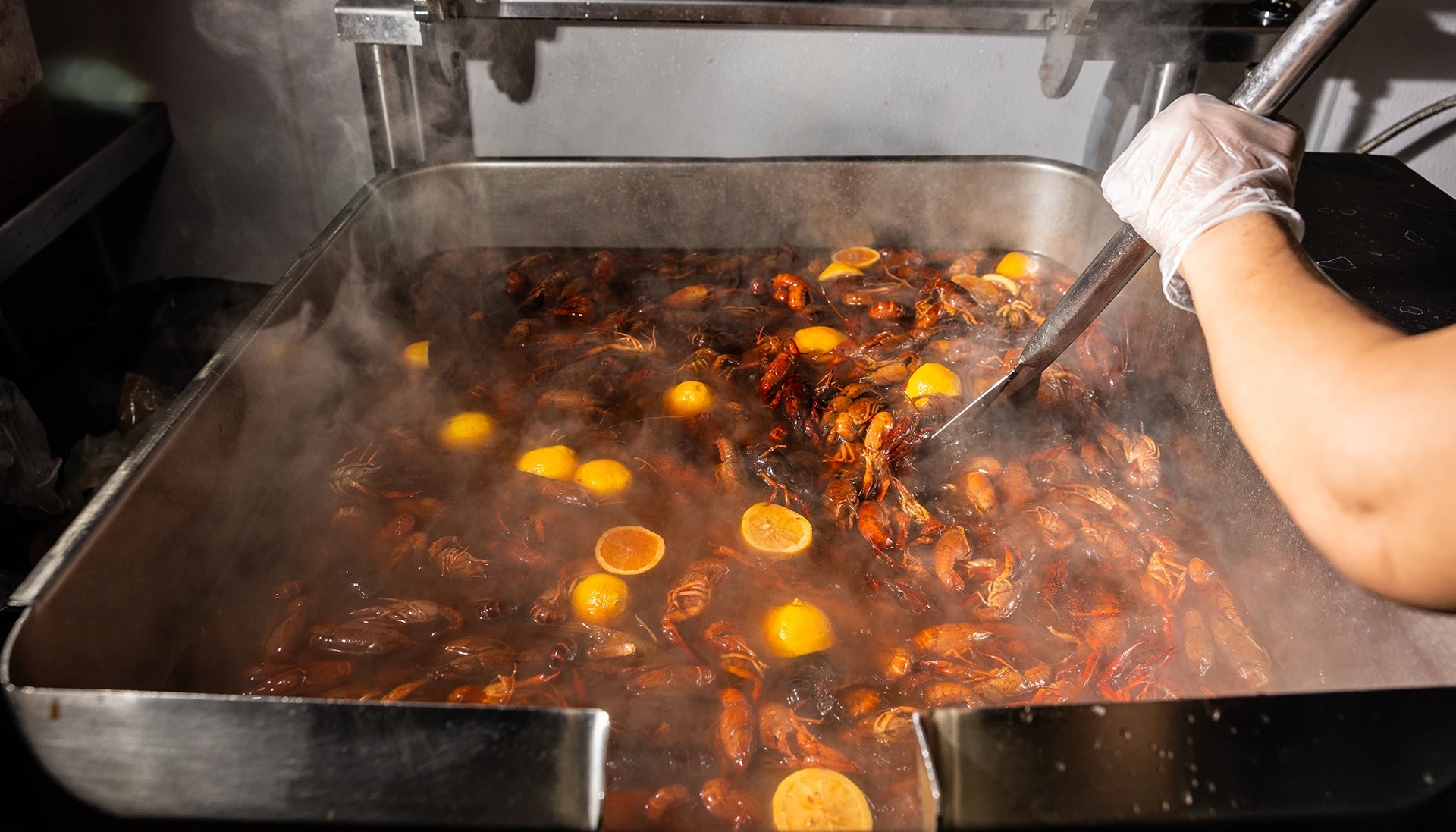
In spring, crawfish boils turn yards into communal dining rooms where friends crack shells at long tables, spread newspaper, and laugh over spicy piles of seafood. These gatherings reinforce belonging because Cajun food and traditional recipes act as both memory and instruction. People leave with full hands and a sense that the flavors of Cajun restaurant and home kitchens keep their community’s history alive.
Cajun Resourcefulness: How Scarcity Created Staples
Because scarce ingredients forced improvisation, Cajun cooks learned to stretch every scrap into something satisfying and enduring.
You can see it in roux made dark with rendered fat rather than butter, and in seafood stews built from shells and heads that are simmered into stock.
Cajun cuisine includes smoked meats and preserved game because protein had to last through lean seasons.
Vegetables are pickled, canned, or transformed—okra thickens, rice bulks, and the trinity of onion, celery, and bell pepper lends depth when fancy herbs aren’t available.
Spices in Cajun food are bold but measured, and a little cayenne goes far.
Resourcefulness became a technique and a palette, and it’s the reason many dishes in Cajun restaurants and home kitchens still taste so rooted and resilient.
Oral Tradition, Family Recipes, and Regional Styles
Scarcity shaped not only cooking techniques but also the way recipes were passed down in Cajun households, traveling mouth-to-ear at family tables, church suppers, and fish fries. People learned to cook by watching an aunt roll boudin, by hearing a cousin say "a pinch" or "until it smells right," and by memorizing gestures more than measurements.
Those oral cues tied cooks to place, so bayou jambalaya differed from prairie gumbo as families adjusted spices, proteins, and cook time to local harvests and taste. Rather than inheriting a fixed recipe, people received a living method that encouraged seasonal adaptation and the free sharing of variations. That fluid transmission preserved authenticity while allowing each household to stamp Cajun cuisine with its history, dialect, and preferred heat level.
Cajun Food Today: Revival, Reinvention, and Chefs
Cajun cooking has been revived and reimagined by a new generation of chefs and home cooks who respect tradition while pushing boundaries. Cajun chefs are elevating humble ingredients—okra, rice, and inexpensive cuts of meat—into refined plates without losing their soul.
Many Cajun restaurants now spotlight hyper-local seafood and heirloom produce, and sauces and rubs are being retooled with subtle global influences. Community cooks continue to keep gumbo, boudin, and étouffée alive at festivals and backyard gatherings, so diners can taste continuity.
Culinary schools and pop-up kitchens teach technique, and social media spreads family recipes faster than ever, helping people discover regional variations. This revival balances preservation and innovation, inviting diners to experience Cajun cuisine as both heritage and a living, evolving food tradition.
How to Taste Timeless Cajun Cooking at Home
Many chefs and home cooks have made it easier to taste authentic, timeless Cajun cooking at home.
A clean mirepoix of onion, celery, and bell pepper forms the foundation of classic Cajun cuisine.
Building depth with a dark roux requires close attention because the flavor can shift from nutty to bitter very quickly.
Fresh Gulf shrimp or Andouille sausage provide rich seafood and meat options for Cajun food, and simple seasoning with salt, pepper, and a pinch of cayenne allows those flavors to shine.
Slow simmering helps coax the ingredients together into a cohesive sauce.
Toasting file powder at the end adds a bright, distinctive finish that complements the dish.
Serving the mixture over rice or with crusty bread creates a satisfying meal that soaks up the sauce.
Using local or seasonal produce enhances freshness and connection to place.
Tasting as you cook and adjusting acidity with lemon or vinegar keeps the balance lively, and a patient, attentive approach brings out the best in Cajun restaurant–style flavors.