What Makes a Cajun Dinner Feel Special
When you sit down to a Cajun dinner, you immediately notice how scent, texture, and shared plates pull people close. You smell a dark roux and hear pots bubbling as the kitchen builds layers of flavor for Cajun cuisine. The food offers a slow-built blend of smoky sausage, bright spices, and rich seafood or stock that feels like comfort and boldness at once. Those flavors spill onto rice and bread, inviting conversation and shared plates around the table at Razzoo’s Cajun Cafe.
Why a Cajun Dinner Feels Special
Sit down and let the warm, spicy aromas sweep over you; a Cajun dinner feels special because it engages all your senses at once.
You’ll hear pots simmer and conversation rise in a Cajun restaurant or home kitchen. You’ll smell garlic, pepper, and smoky sausage mingling with the ocean-sweet scent of seafood. You’ll see vibrant stews and golden rice piled on a plate. You’ll touch flaky bread or tender shrimp and taste a balance of heat, acidity, and richness in the Cajun cuisine. You’ll notice how each bite changes with texture and timing. You’ll feel welcomed because these meals were meant for gathering, passing bowls, and sharing stories. The cooking shows straightforward confidence that lets ingredients shine without pretension. That combination makes a Cajun dinner more than a meal.
The Four Flavor Pillars of Cajun Cooking
Cajun cooking rests on four bold pillars—fat, aromatics, spice, and umami—that work together to make every dish sing.
Fat from butter, oil, and rendered pork carries flavor and creates texture while browning ingredients and forming a savory base for Cajun cuisine.
Aromatics such as onion, bell pepper, and celery are added early to build a rich backbone that defines much of Cajun food.
Spice from cayenne, black pepper, and paprika provides heat and character without overwhelming the other elements.
Umami comes from stocks, seafood, smoked meats, and roux, layering depth and producing a long, satisfying finish common in seafood dishes and in many a Cajun restaurant menu.
Together, these pillars guide choices so dishes remain balanced, bold, and unmistakably Cajun.
How to Build Cajun Flavor at Home
Begin by stocking a few pantry essentials such as good-quality butter or oil, a flour suitable for making a dark roux, shellfish or chicken stock, and a spice mix that includes cayenne, paprika, black pepper, thyme, and bay leaf.
Build Cajun flavor in layers by browning fat to make a roux for depth and then sweating the holy trinity of onion, bell pepper, and celery to release aromatics.
Season early and taste as you go to balance the seasoning in your Cajun cuisine preparations.
Finish dishes with acidic or smoky elements such as lemon, hot sauce, or smoked sausage to brighten and balance the flavors in seafood and other recipes.
Work in stages by developing a nutty roux, adding aromatics, deglazing with stock or wine, and simmering so the flavors can marry.
Adjust the heat with cayenne or fresh peppers, add herbs late for a burst of freshness, and allow dishes to rest so the flavors settle before serving in a home kitchen or at a Cajun restaurant.
Signature Cajun Dishes to Serve (Gumbo, Jambalaya, Crawfish)
Explore three pillars of Cajun cuisine—gumbo, jambalaya, and crawfish—that showcase the cuisine’s bold roux-based depths, rice-driven comfort, and fresh-shellfish celebration.
You’ll serve gumbo to bring a textured, savory stew loaded with sausage, chicken, or seafood; it’s hearty, spoonable, and often finished with filé or okra for clarity.
Jambalaya satisfies as a one-pot meal in which browned meat and aromatics mingle with rice, absorbing spice and stock so each bite is balanced and filling.
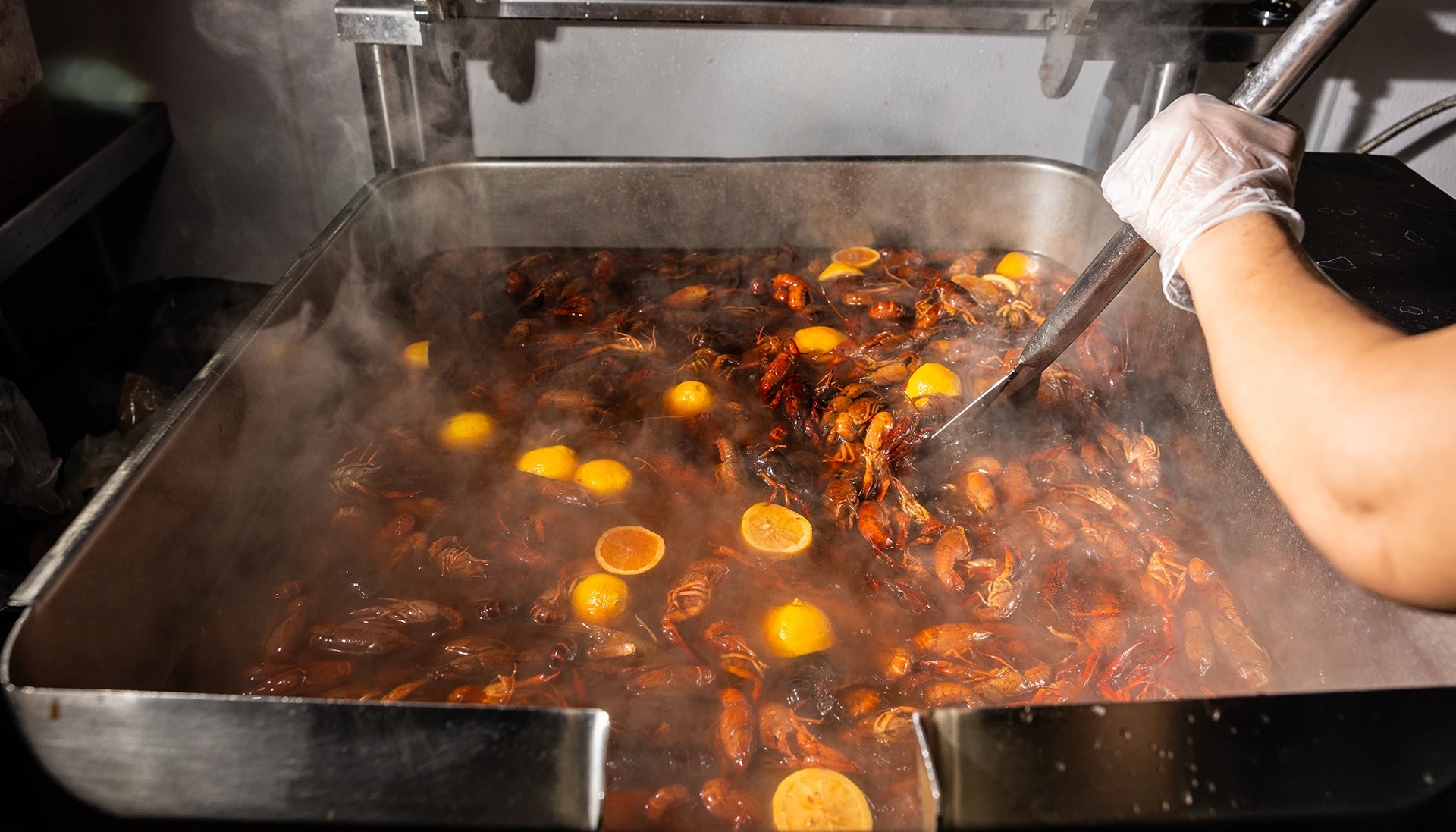
Crawfish, whether boiled or prepared in an étouffée-style seafood dish, provides a bright, briny contrast and a communal, hands-on element that livens the table.
Choose complementary sides—cornbread, pickled vegetables, and simple greens—to round the meal without masking the core flavors of authentic Cajun food and a true Cajun restaurant experience.
Why Slow-Simmered Sauces Matter
Long, gentle simmering lets flavors marry and allows tough proteins to soften, which is why slow-simmered sauces become the backbone of memorable Cajun dishes.
Slow cooking brings out a depth that quick methods can’t achieve, as caramelized aromatics loosen into the stock and spices bloom without harshness.
The sauce thickens naturally and coats rice, seafood, and proteins with layered taste.
When a pot simmers for hours, collagen breaks down into silky body rather than turning into gluey starch, so each bite feels lush.
Slow simmering also gives cooks control over heat and seasoning as the sauce concentrates, and modest portions of the finished sauce can transform simple ingredients into soulful Cajun cuisine that invites second helpings.
Texture and Contrast: Crunch, Spice, Comfort
Cajun cuisine thrives on the interplay of crunch, spice, and comfort, and mixing crisp textures with bold heat and homey richness gives each dish an irresistible push and pull.
In a Cajun restaurant, crunchy fried okra or cornbread crumbs balance against silky étouffée or slow-simmered gravy so that every bite alternates between surprise and comfort.
Spice in Cajun food sharpens flavors rather than overwhelms, with cayenne’s sting, black pepper’s bite, and smoky paprika’s warmth highlighting ingredients instead of masking them.
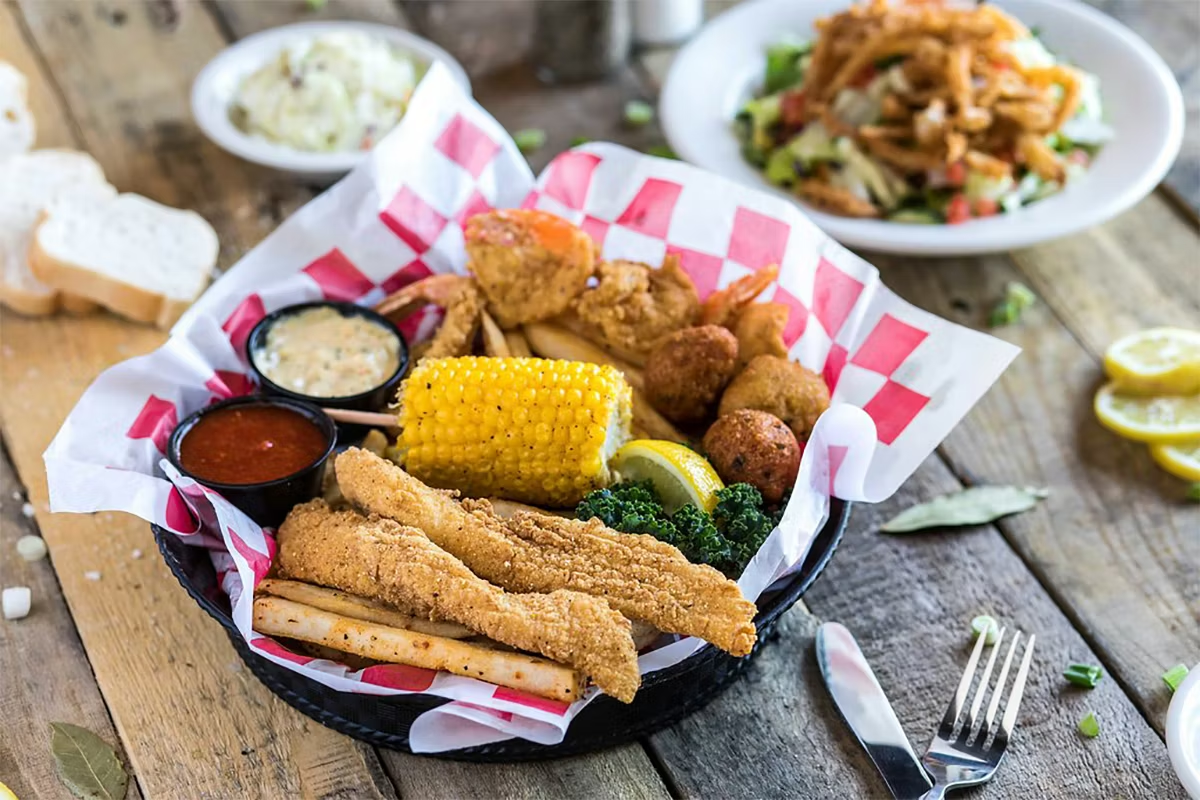
Layers of texture—tender shrimp, firm sausage, fluffy rice, and a crisp garnish—create contrast that keeps the palate engaged.
A squeeze of citrus or a scattering of scallions brightens and cuts through the richness so that the meal stays lively from the first forkful to the last.
Creating the Right Atmosphere for a Cajun Dinner
Low, warm lighting and a playlist of zydeco and slow blues create the mood before the first bite of Cajun food.
A simple centerpiece of fresh herbs, citrus, or a small cast-iron pot echoes the meal without cluttering the table.
Sturdy plates and mismatched flatware give a lived-in, welcoming vibe that complements Cajun cuisine, and cloth napkins add warmth.
Seating arranged for easy conversation keeps guests close enough for passing seafood platters and sharing stories.
Aromas travel when food is served from the kitchen without covering every pot, allowing steam and spice to become part of the evening’s theater.
Dimmed lights and candles or lanterns provide a flattering flicker for the food.
Courses paced to encourage lingering help the dinner feel intentional and communal.
Cajun Dinner Pantry Staples and Smart Swaps
A handful of core ingredients lets you build authentic Cajun flavor without a huge pantry overhaul. Keep onions, bell peppers, and celery—the holy trinity of Cajun cuisine—alongside garlic, bay leaves, and canned tomatoes.
Long-grain rice and dried pasta provide quick sides that complement seafood and meat dishes. For seasoning, choose cayenne, smoked paprika, black pepper, and a quality creole or Cajun blend to capture the signature heat and smokiness of Cajun food.
Swap heavy cream for evaporated milk in creamy finishes to lighten richness while maintaining body. Use chicken or vegetable stock concentrates to add depth when you don’t have bones on hand.
Canned beans and okra contribute texture and ease to stews and gumbos commonly found on a Cajun restaurant menu. Frozen shrimp or Andouille-style smoked sausage serve as reliable substitutes for fresh proteins when time is tight.
With these staples and a few smart swaps, you can recreate bold Cajun dishes reliably and efficiently.
Timing and Prep for a Relaxed Cajun Dinner
Plan ahead and you’ll keep your Cajun dinner relaxed instead of rushed.
Begin by reading recipes and scheduling tasks so that longer items like stews and braises simmer while you prepare sides. Chop mirepoix and measure spices earlier, and store them in labeled containers. Par-cook rice or potatoes and finish them just before serving to save time. Use a timer and group similar tasks such as sautéing, simmering, or oven-roasting so you aren’t juggling too many pans.
Set the table and arrange garnishes while the main dishes rest, as resting concentrates flavors and frees you to plate calmly. Delegate simple jobs like stirring, boiling pasta, or pouring drinks to others. With deliberate timing and small prep steps, you’ll host a flavorful, unhurried meal that showcases Cajun cuisine and seafood dishes often found on the menu of a good Cajun restaurant.
Authentic Cajun Touches Without Gulf Seafood
If Gulf seafood is unavailable, you can still create authentic Cajun flavor by focusing on the core techniques, spices, and local substitutions that define Cajun cuisine. The holy trinity of onion, celery, and bell pepper should be softened slowly to build depth and create the foundation of many Cajun dishes. Browning proteins such as chicken, pork, or firm fish develops fond that adds savory complexity to stews and gumbos. Smoked sausage, ham hocks, or canned crab provide rich, smoky notes that echo the taste of traditional Cajun food. Seasonings like cayenne, paprika, thyme, and bay leaf, along with a dark roux when appropriate, contribute the signature heat and color of Cajun cuisine. Chopped parsley and green onions, a squeeze of lemon, and a few dashes of hot sauce brighten and finish many seafood and meat preparations in the Cajun repertoire. Serving these dishes over rice or grit or alongside crusty French bread completes an experience reminiscent of a cozy Cajun restaurant. These choices honor Cajun roots while making the most of what’s available.