What Locals Look for in a Cajun Restaurant
If you want a true Cajun spot, look for food that feels lived-in instead of staged. Cajun cuisine often shows itself in a dark roux, rice that is never gummy, housemade sausages, and a gumbo that smells like the whole kitchen worked on it. You will notice servers who can explain dishes and a dining room with regulars at odd hours. When seafood figures into the menu, it will taste fresh and be cooked in a way that speaks to tradition rather than trend. You might spot Razzoo’s Cajun Cafe on a list, and when you do you’ll find those small, specific signs that say more than a polished menu ever could.
Five Quick Signs a Cajun Restaurant Is Authentic
You can tell a Cajun restaurant is authentic from a few clear markers. The menu is straightforward and focused on Cajun food such as boudin, gumbo, and rice dishes. The cooks smell and sound like they’ve spent years stirring pots in a busy kitchen.
Spice levels arrive in layers that build flavor rather than relying on one-note heat. Local patrons often crowd the place at odd hours, which speaks to the restaurant’s reputation.
The kitchen is unapologetically busy and occasionally messy, reflecting serious work rather than polished showmanship. Short menus list daily specials instead of glossy photos, and servers speak knowledgeably about how dishes are prepared and how offerings change with the catch or the season.
Portions are honest and unpretentious, and the roux will brown deeply and sometimes sit at the edge of the plate. Rice appears on many plates and is consistently well textured.
When you leave, the flavors of the Cajun cuisine feel authentic and made with care.
What Locals Mean by "Authentic Cajun" Food
Those quick signs give you a sense of place, but locals mean something more specific when they call a dish authentic Cajun. They refer to techniques and ingredients passed down through family kitchens, such as a dark, nutty roux built patiently and the holy trinity of onion, celery, and bell pepper used early and often in Cajun cuisine.
They expect proteins treated with respect, whether smoked gator or Gulf shrimp that show their origin in seafood dishes. They look for straightforward seasoning rather than fussy plating, and for dishes in a Cajun restaurant that are meant to feed a table instead of just a plate.
They notice nose-to-tail use and simple preservation methods like pickling and smoking. They want balance with heat that warms rather than overwhelms, and flavors that reveal time and care rather than shortcuts or trends.
Gumbo, Étouffée & Roux: What Authenticity Looks Like
When you taste a true Cajun gumbo or étouffée, the roux announces itself first: deep, nutty, and made with patience rather than speed, and everything that follows is measured against that foundation.
You notice texture as gumbo should be slightly silky while étouffée is glossy and spoon-coating in a way that speaks to careful technique in Cajun cuisine.
Seasoning sings of dark, toasted spices and the holy trinity of onion, celery, and bell pepper, balanced rather than buried beneath other flavors.
A good roux is neither burnt nor pale, and it’s dark enough to carry caramelized flavor without bitterness.
Reduction and timing concentrate stock and aromatics until layers align in a bowl of seafood gumbo or a plate of shrimp étouffée served at a Cajun restaurant.
Fresh herbs and a judicious splash of acid finish dishes without masking the roux, and when the base is honest and balanced you’re tasting something deeply rooted in Cajun food and tradition.
Seafood & Proteins Cajun Locals Expect
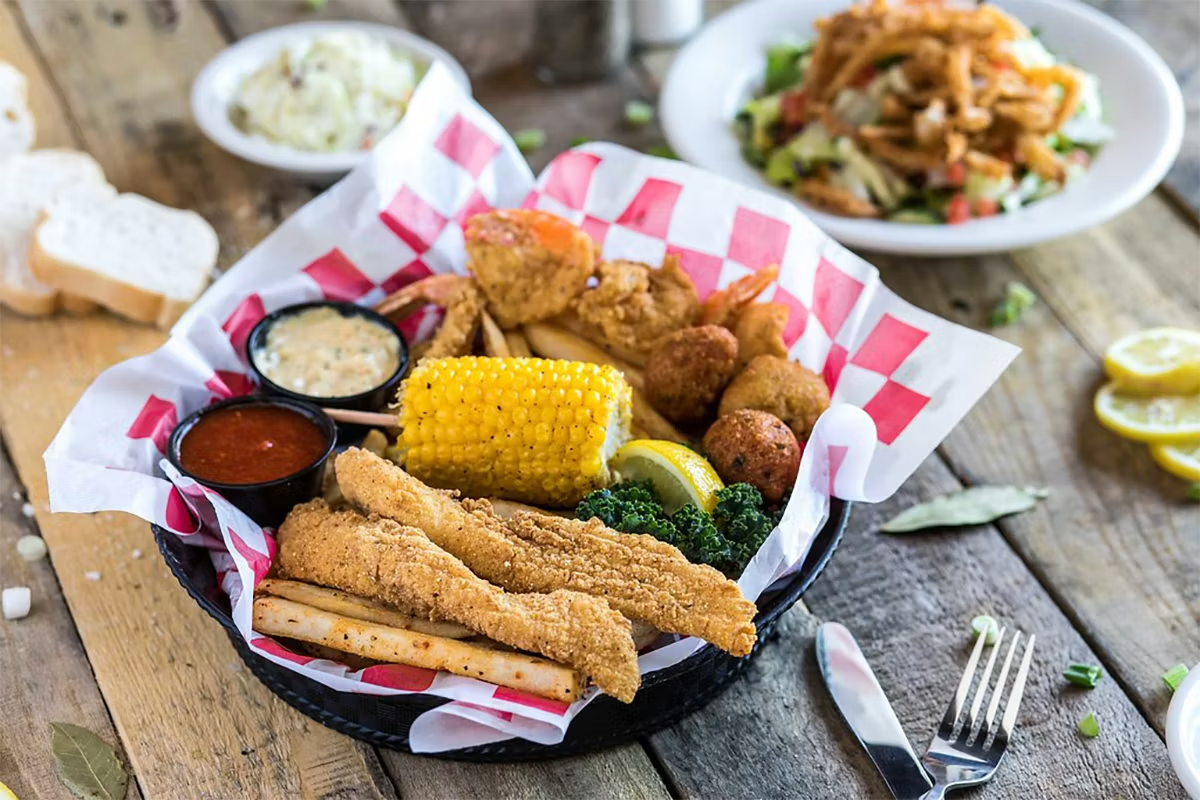
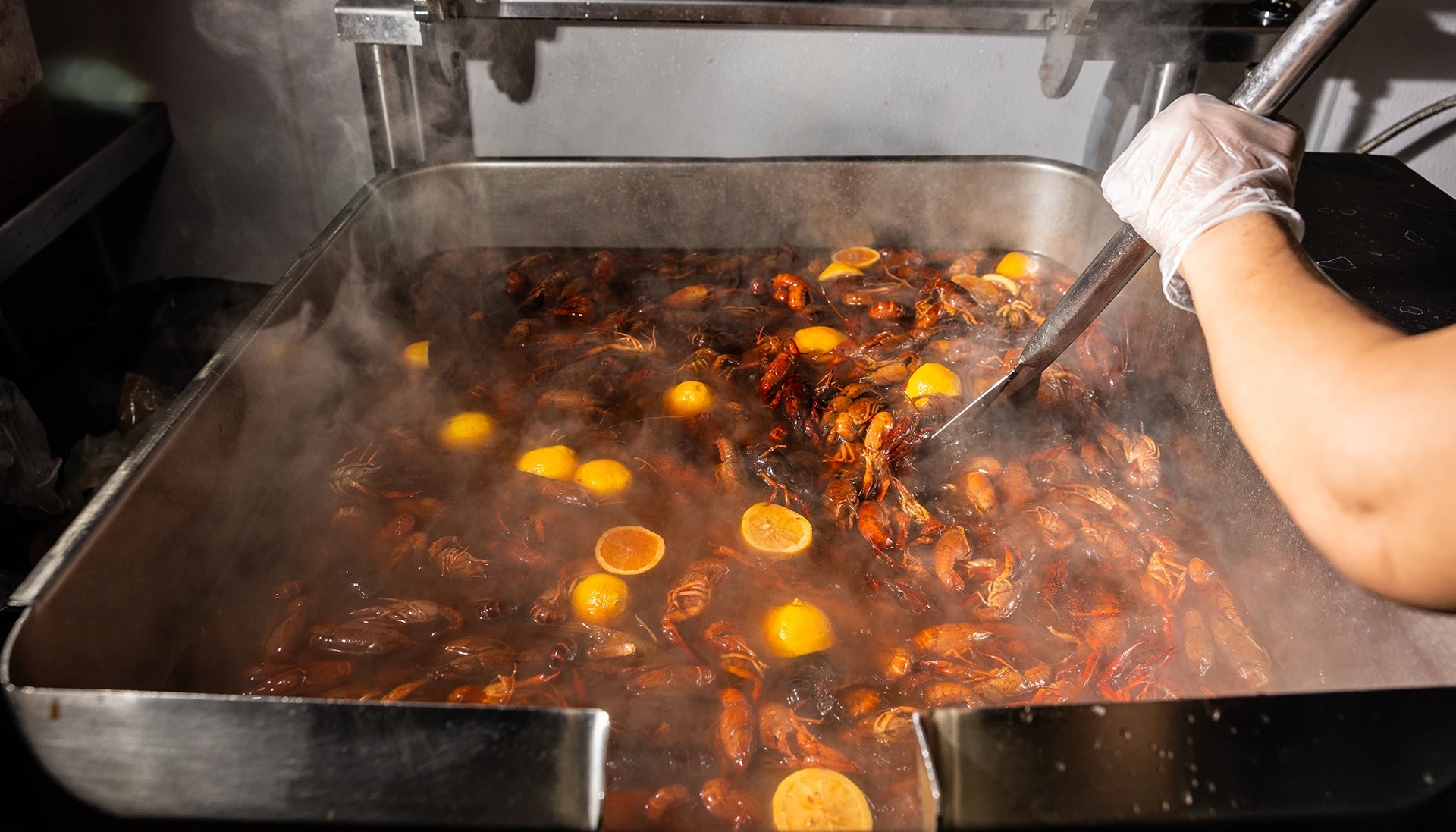
In a Cajun kitchen, cooks choose proteins for their boldness and their ability to carry the roux, spices, and smoky char of the grill. Diners expect fresh Gulf shrimp, plump crab, and firm catfish, each cooked simply to showcase natural flavor before seasoning.
Andouille and tasso bring pork’s smokiness to stews and rice plates, where they deepen savory notes. Whole fish are charred or blackened to preserve texture while adding a flavorful crust.
Oysters appear raw, charred, or baked in a casserole, offering brine and richness to the plate. When chicken appears in Cajun cuisine, it’s often bone-in and well-seasoned so its juices mingle with the gravy.
Local patrons notice quality, freshness, and proper technique more than fanciful presentations, and they expect seafood and other proteins to stand up to bold Cajun preparations.
Spice Balance: When Flavor Beats Pure Heat
Locals usually want flavor to lead in Cajun cuisine, not just heat, so a great Cajun dish layers spice to highlight aromatics, smoke, and umami rather than overwhelm the palate. You should be able to taste cayenne’s warmth balanced by black pepper, paprika, and a touch of oregano or thyme that lifts the profile instead of flattening it.
Depth often comes from roasted vegetables, browned proteins, and fond, and those elements allow spices to sing without shouting. Acidity from lemon or vinegar cuts through richness, while a bit of butter or stock rounds edges so heat feels integrated. When dining at a Cajun restaurant that serves seafood and other regional specialties, the burn should fade gracefully and make you reach for another bite rather than a glass of water.
Housemade Staples : Boudin, Andouille and Desserts to Watch For
Authentic Cajun flavor depends on freshness, so seek out Cajun restaurants that make their own boudin, andouille, and classic desserts in-house.
When boudin arrives, the rice should be moist, the herbs bright, and the pork pronounced rather than showing a cardboard texture or muted seasoning. Proper andouille will carry smoke, a coarse grind, and a peppery backbone that holds up in gumbo and poboys.
Desserts in Cajun cuisine tend to be simple and well executed, such as beignets dusted just right, bread pudding with a custardy center and a robust bourbon or rum sauce, and pecan pie with a flaky crust. A kitchen that crafts these items reliably demonstrates pride and control over supply, technique, and tradition, all essential elements of authentic Cajun cuisine and seafood cooking.
Family-Style Atmosphere: Community Cues and Hospitality Norms
You often feel like part of the extended family the moment you walk through the door. Regulars greet staff by name, plates are shared across long tables, and photos of neighborhood events hang on the walls.
You lean into conversations while servers exchange warm, familiar banter that implies you’re expected back. Hospitality is informal but attentive, with refills coming promptly and a pot of gravy or seafood sauce offered at just the right time. An uncle-style nod accompanies a small spill from the kids.
Community cues include local music, game-day chatter, and menu tweaks for folks who call ahead. The menu highlights Cajun food and Cajun cuisine alongside seafood classics, and the place operates on mutual respect—neighbors looking out for one another and a Cajun restaurant that feels like home.
Service, Price and Consistency: What Keeps Locals Coming Back
You judge a Cajun restaurant by how the staff treats you, how much it costs, and whether the gumbo tastes the same from week to week.
Friendly servers who remember your order and offer quick refills create a smooth interaction that makes you feel welcome and keeps you returning. Price matters because reasonable portions, transparent menus, and occasional specials show respect for local budgets. Consistency ties everything together since the same spice balance, rice texture, and okra bite reassure you that recipes and technique are dependable.
When one element slips — such as rude service, surprise price hikes, or inconsistent seasoning — you naturally rethink your loyalty. Locals reward Cajun cuisine and seafood joints that deliver steady quality, fair value, and warm service because predictability becomes trust in a neighborhood place.