The Spice Levels That Make or Break a Crawfish Order
When you order crawfish, the spice level can make the whole meal sing or fall flat, so pick with purpose. Cajun food often balances gentle, flavor-forward blends with heat that can dominate the shellfish. Seasoning, soak time, and the sides you choose all change the bite and the overall experience with Cajun cuisine or seafood boils. I always think about how those elements will play together before diving in, and some places like Razzoo’s Cajun Cafe really lean into that balance.
Quick Decision: Heat, Flavor, or Balance?
Wondering whether to chase heat, flavor, or balance is a good way to frame a Cajun food decision.
Imagine the meal to decide if you want a numbing, sweat-inducing rush or a layered, savory profile that complements corn and potatoes. Heat-forward blends deliver thrills and make each bite feel like a punch while pairing well with a cold beer alongside seafood.
When flavor matters most, choose mixes that emphasize garlic, citrus, and smoked paprika so the spice sings without overpowering the shellfish.
Balance works especially well for communal feasts because moderate heat with bright acidity and herb notes keeps conversations lively and allows side dishes to shine.
Also consider who’s eating since kids or spice-averse friends need tamer options. Trusting your gut will help you pick the Cajun cuisine approach that makes you reach for another crawfish.
Common Crawfish Spice Levels : What to Expect
When you order or cook crawfish, expect spice to fall into a few predictable bands—mild, medium, hot, and extra-hot—that cater to different palates and pairings.
The mild level offers buttery, herbal seasonings with a gentle pepper hint so that the flavor of the crawfish comes through first, and this style is often found in Cajun cuisine that highlights subtlety.
The medium level adds more cayenne and garlic, producing warmth across the tongue without overwhelming the other flavors, and many Cajun restaurants serve this balance to appeal to a wide range of diners.
The hot level delivers a pronounced burn that builds and is often balanced with citrus or butter to avoid flat heat, creating a lively seafood experience.
The extra-hot level prioritizes intensity, featuring lots of chile and sometimes pepper oil, and this rendition appeals to lovers of bold, fiery Cajun food.
Knowing which band suits your taste will influence how you enjoy the meal.
How Heat Scales: Mild → Medium → Hot → Nuclear
If you’ve picked a spice band, the next step is understanding how heat actually scales from mild to nuclear so you know what to expect bite by bite.
Mild gives a gentle warmth that lets sweetness and texture in Cajun food and seafood shine, and you’ll taste the spice without sweat or tears while still enjoying shell after shell.
Medium raises the rhythm with more tingle on your lips, a light forehead sheen, and a livelier finish that builds across a few bites in Cajun cuisine.
Hot delivers sustained heat with a faster onset and a mouth-coating burn that rewards pacing and a cold drink at a Cajun restaurant.
Nuclear overwhelms quickly with a sharp and persistent intensity that can numb some flavors and demands strategy, such as taking small bites and using dairy to cool the palate.
Know your tolerance and order accordingly.
What Each Crawfish Seasoning Does: Pepper, Garlic, Lemon, Herbs
Although each spice in a crawfish boil can seem simple on its own, the spices play specific roles that shape flavor, heat, and balance in Cajun cuisine.
Pepper brings bite and forward heat to Cajun food and seafood dishes, waking the palate and amplifying other flavors.
Garlic adds savory depth and umami to the boil, with roasted, sweet, or raw notes depending on how long it cooks.
Lemon brightens the overall profile, cutting richness and lifting oily notes so each bite of crawfish or other seafood tastes refreshed.
Fresh herbs such as parsley, thyme, and bay offer aromatic complexity and a lingering, floral-vegetal finish that ties the seasoning together without overwhelming the main ingredients in a Cajun restaurant-style spread.
How Cooking Style and Soak Time Change Spice Perception
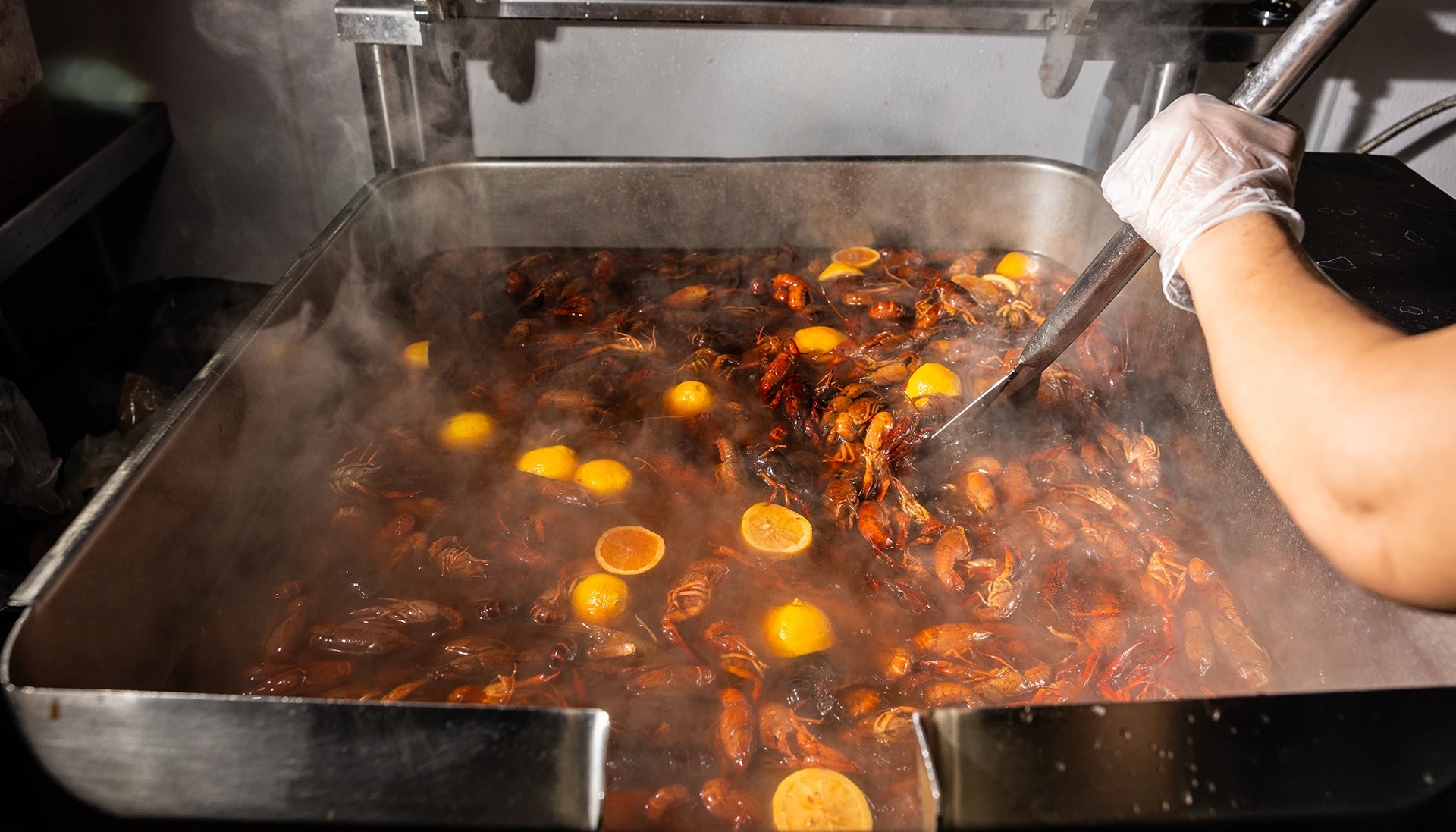
The way you cook and how long you let spices soak dramatically change what you taste in a crawfish boil in Cajun cuisine. When you boil fast over high heat, volatile aromatics such as lemon and garlic punch through but finish quicker, so the flavors feel brighter and more immediate.
A gentle simmer allows pepper and herb oils to infuse deeper into shells and meat, creating a rounded, persistent heat that complements seafood from a Cajun restaurant or a home pot. Soak time also affects the outcome: a short soak yields surface seasoning with sharper edges, while an extended soak lets capsaicin and essential oils migrate and mellow brightness as backbone heat builds.
Longer soaks can concentrate flavors as liquid reduces, which intensifies the perception of spice and changes the texture of the dish. Adjusting cooking style and soak time changes the balance between initial zip and lasting warmth in Cajun food.
Match Spice to Your Group: Kids, Casual Eaters, Heat Lovers
Planning your spice level around who’s at the table makes a seafood boil enjoyable for everyone.
For kids, dial down the heat and remove seeds so they can taste the seafood without tears. Kid-friendly portions should include minimal cayenne, buttery sauces, and simple citrus notes that let delicate flavors shine.
Casual eaters respond well to a moderate level that emphasizes garlic, paprika, and a gentle kick for a familiar, approachable experience reminiscent of Cajun cuisine.
Heat lovers appreciate concentrated chili blends, extra hot sauce, or a charred pepper finish to deliver punchy heat and layered flavor.
Matching sides and drinks to these flavor profiles creates a smooth group experience in any Cajun restaurant or at home.
Ask for Customizations Without Losing Flavor
If you want to tweak the heat or ingredients without losing the signature Cajun punch, ask for a specific heat level such as mild, medium, spicy, or “house hot” so the kitchen understands your preference. Request that the seasoning be adjusted rather than replaced to preserve the core flavors of the Cajun cuisine while catering to your tastes.
Tell the server which spices you prefer dialed back, for example cayenne, black pepper, or garlic, and which you want kept bold, such as smoked paprika, thyme, or bay. If someone is sensitive to peppers, ask that whole chiles be removed while allowing the infused flavor to remain in the seafood or other dishes.
Request an extra buttery finish or a touch of lemon to balance heat without diluting the overall spice profile. When ordering combinations, ask to split the pot so each portion gets tailored seasoning for different diners at your table. Be polite and clear, as servers and cooks in a Cajun restaurant can usually fine-tune seasoning without stripping the dish’s Cajun identity.
Quick Fixes at the Table: Too Hot or Too Bland
If the crawfish served at a Cajun restaurant arrives hotter than expected, act quickly to rescue the meal without asking the kitchen to intervene. A plain bite of bread, rice, or potato can absorb capsaicin and help slow the burn on your tongue.
Sipping milk or enjoying a yogurt-based dip will coat the heat receptors and cool the mouth more effectively than water. Avoid drinking water because it tends to spread the heat across the palate.
When the seasoning is too mild for your taste, a squeeze of lemon or lime can brighten the flavors and add vibrancy to the seafood. A pinch of salt or some cracked black pepper will help enhance the overall taste of Cajun cuisine.
Mixing sauces on the side allows you to control the intensity of each bite. Taste between adjustments so you can proceed slowly until the balance feels right.
Ordering Checklist: Questions to Ask and Choices to Make
Decide how spicy you really want your crawfish by choosing between levels such as mild for children, medium for most diners, or blistering hot for those who chase heat.
Ask the Cajun restaurant about the heat scale the kitchen uses, whether it’s numbered 1–10 or described as mild, medium, and hot.
Request examples of dishes that correspond to each spice level so you understand what to expect in Cajun cuisine.
Confirm whether the spice is applied only to the shell or also seasons the meat when the seafood is prepared.
Ask whether sauces are served on the side to allow guests to adjust heat at the table.
Inquire about the ingredients that provide heat, such as cayenne, jalapeño, or habanero, to predict whether the flavor will be complex or primarily focused on heat.
Decide on portion sizes and which sides to order alongside the crawfish.
Determine whether drinks or dairy-based items are included or recommended to help temper the spice.
If you’re ordering for a group, arrange for mixed-heat platters or let guests select their preferred levels.
Confirm the timing so that the spice intensity and temperature are consistent when the Cajun seafood is served.