The Seasonings That Make Boiled Seafood Unforgettable
You want your next seafood boil to taste like a celebration rather than just a meal, and that starts with the right seasonings. Coarse salt and cracked pepper provide the backbone of flavor, while bay, garlic, and onion add savory depth that complements shrimp, crab, and other seafood. A mix of heat and smoke—paprika, cayenne, or chipotle—brings color and warmth that suits Cajun food and Cajun cuisine alike. Bright citrus and fresh herbs stirred in at the end lift the whole pot and make the flavors sing. For a true taste of Creole-tinged hospitality, you can find that same spirit of seasoning at Razzoo’s Cajun Cafe.
Quick Starter Seasoning Blends for Seafood Boils
Kick off your seafood boil with a few simple seasoning blends that deliver big flavor without fuss. You’ll want a balance of salty, spicy, citrusy, and herbal notes to complement shrimp, crab, and potatoes in Cajun cuisine.
Start with a classic boil mix of coarse salt, paprika, cayenne, garlic powder, onion powder, and a touch of brown sugar to coat shellfish and vegetables. For a citrus-herb variant, combine lemon zest, thyme, parsley, cracked black pepper, and sea salt and toss in lemon halves while boiling.
If you prefer smoky heat, blend smoked paprika, chipotle powder, cumin, and coarse salt for a bold Cajun-style kick. For a milder, buttery profile, mix melted butter with minced garlic, chopped chives, and a squeeze of lemon to finish seafood in a restaurant-worthy style.
Measure boldly, taste as you go, and adjust the seasonings to suit your crowd.
Essential Spices and Aromatics for Seafood Boils
When you build a seafood boil, start with a foundation of a few reliable spices and aromatics that layer flavor without masking the seafood itself.
Use kosher salt to lift the natural brine, cracked black pepper for bite, and bay leaves for subtle herbaceous warmth.
Garlic cloves and onion quarters create savory depth as they mellow during simmering.
Lemon halves or zest add bright acidity that cuts richness in Cajun cuisine and other seafood dishes.
For gentle heat, include crushed red pepper or whole black peppercorns while smoked paprika or a touch of cayenne can provide smokiness or more fire for a Cajun food profile.
Fresh parsley or thyme added near the end keeps herb notes bright for service in a Cajun restaurant or at home.
These essentials let the seafood shine while giving the boil balanced, memorable flavor.
Regional Profiles: New England, Cajun, and Lowcountry Boils
Although each coastal region highlights shellfish, New England, Cajun cuisine, and Lowcountry boils use distinct spice palettes and techniques that shape their character.
You’ll find New England favors simplicity, with whole spices like bay, peppercorns, and thyme mingling with salt and sometimes lemon so that sweet lobster and clams lead.
Cajun food punches harder, using bold paprika, cayenne, garlic, and onion powders alongside complex blends that create lively heat and deep color.
Lowcountry boils balance the two by employing Old Bay–style mixes, smoked sausages, and crab-friendly aromatics while relying on boiling time and seasoning sacks to infuse potatoes and corn.
Respect for local technique, including timing, spice concentration, and ingredient order, is what makes each regional boil authentic and memorable.
Build a Balanced Seasoning Kit: Salt, Heat, Herbs, Smoke
Regional styles show you the palette, and you can assemble a compact seasoning kit that covers salt, heat, herbs, and smoke so home cooks can reproduce those profiles.
Start with a coarse sea salt or kosher salt for clean brine and extraction, and measure by weight for repeatability. Add a primary heat element such as cayenne for a sharp punch or smoked paprika for warmth with mild spice.
Choose two herbs such as bay leaves for aromatics paired with dill or parsley for freshness. Include a dry smoky component like chipotle powder or smoked sea salt to layer smoke without using a smoker.
Small jars, clear labels, and a simple ratio card help keep the kit organized for use with Cajun cuisine, seafood, and dishes inspired by a Cajun restaurant.
The suggested ratio is 10 parts salt, 1 part heat, 1 to 2 parts herbs, and 0.5 to 1 part smoke, and rotating or tweaking those proportions lets you match the regional profile you want.
When to Add Spices and Aromatics for Best Flavor
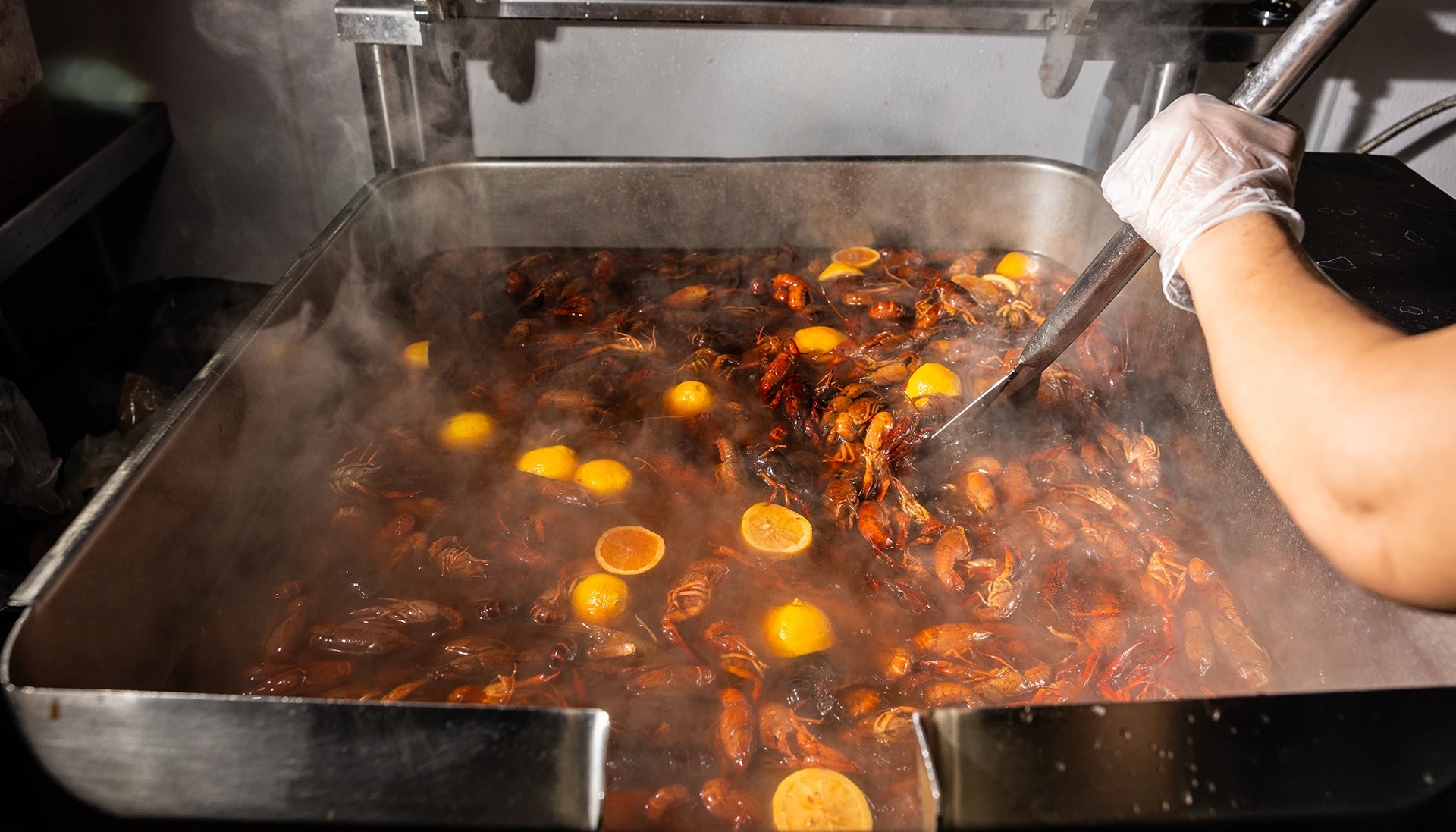
For the most vivid flavor in boiled seafood, add delicate aromatics such as fresh herbs and citrus near the end of cooking while sturdier spices are introduced earlier so they’ve time to infuse. Whole peppercorns, bay leaves, garlic cloves, and dried chiles are best added to the simmering pot early so their oils steep slowly without turning bitter, which complements the bold profile found in Cajun cuisine.
Robust roots like onion, leek, and celery belong at the start of the process to create a rounded backbone that supports shrimp, crab, or crawfish. When the protein is nearly done, stir in chopped parsley, dill, cilantro, or basil and strip citrus zest over the pot to preserve brightness and lift the flavors typical of seafood preparations.
Allow a brief steep off the heat to marry the flavors without overcooking, and taste before serving to adjust seasoning so the result fits the lively seasoning you might expect at a Cajun restaurant or in classic Cajun food.
Flavor Boosters: Citrus, Booze, Sugar, and Umami
When you want to lift boiled seafood beyond salt and spice, reach for bright, acidic citrus, a splash of flavorful booze, a hint of sweetness, and concentrated umami to round everything out.
Each element plays a distinct role: citrus cuts richness and freshens the palate, alcohol extracts and carries volatile aromatics, a touch of sugar balances bitterness and heightens other flavors, and umami-rich ingredients deepen savory notes without overwhelming the shellfish.
Lemon, lime, or orange zest and juice brighten finishes on crab, shrimp, and other boiled seafood common in Cajun cuisine.
A few tablespoons of white wine, sake, or beer added to the cooking liquid bring depth that complements the boldness of Cajun food.
Dissolving a small amount of sugar or honey can rescue a broth that tastes flat, while anchovy paste, mushroom powder, or a dash of fish sauce introduced sparingly enrich the savory complexity you might expect from a good Cajun restaurant’s seafood boil.
Adjusting Spices for Shrimp, Crab, Lobster, and Clams
Those flavor boosters work differently depending on the shellfish you’re cooking, so you should tweak spices to suit each species. For shrimp, brisk, bright seasonings such as garlic, cayenne, lemon zest, and smoked paprika cling well and penetrate quickly, and they pair naturally with Cajun cuisine and seafood traditions.
With crab, aromatic herbs and subtle heat—bay leaves, Old Bay-style blends, and crushed peppercorns—complement the sweet meat without overpowering it.
Lobster handles richer, butter-friendly flavors; a touch of white pepper, tarragon, or a splash of vermouth enhances its sweetness rather than masking it.
Clams require restraint, and light use of fennel seed, parsley, and a hint of chili preserves their brininess. Adjust the amount of seasoning according to the size of the shellfish and the cooking time, since shorter cooks call for bolder spice while longer cooks benefit from gentler profiles.
Finishes and Serving Touches That Elevate a Boil
Because the seasoning sets the stage, the final touches transform a good boil into a memorable feast. Finish with bright acid such as lemon, a splash of vinegar, or a dash of hot sauce to lift the flavors. A pat of compound butter or a drizzle of flavored oil adds richness and shine.
Scatter fresh herbs or crunchy aromatics so every bite delivers layered, contrasting flavors and textures. Warm butter studded with garlic, parsley, and a pinch of smoked paprika makes a perfect coat for shrimp and lobster served in a seafood boil. Lemon wedges and malt vinegar pair well with clams and mussels so diners can brighten bites themselves.
Chopped chives, cilantro, or dill bring a burst of freshness to the plate. Toasted garlic chips or crushed roasted peanuts provide a welcome crunch against tender shellfish.
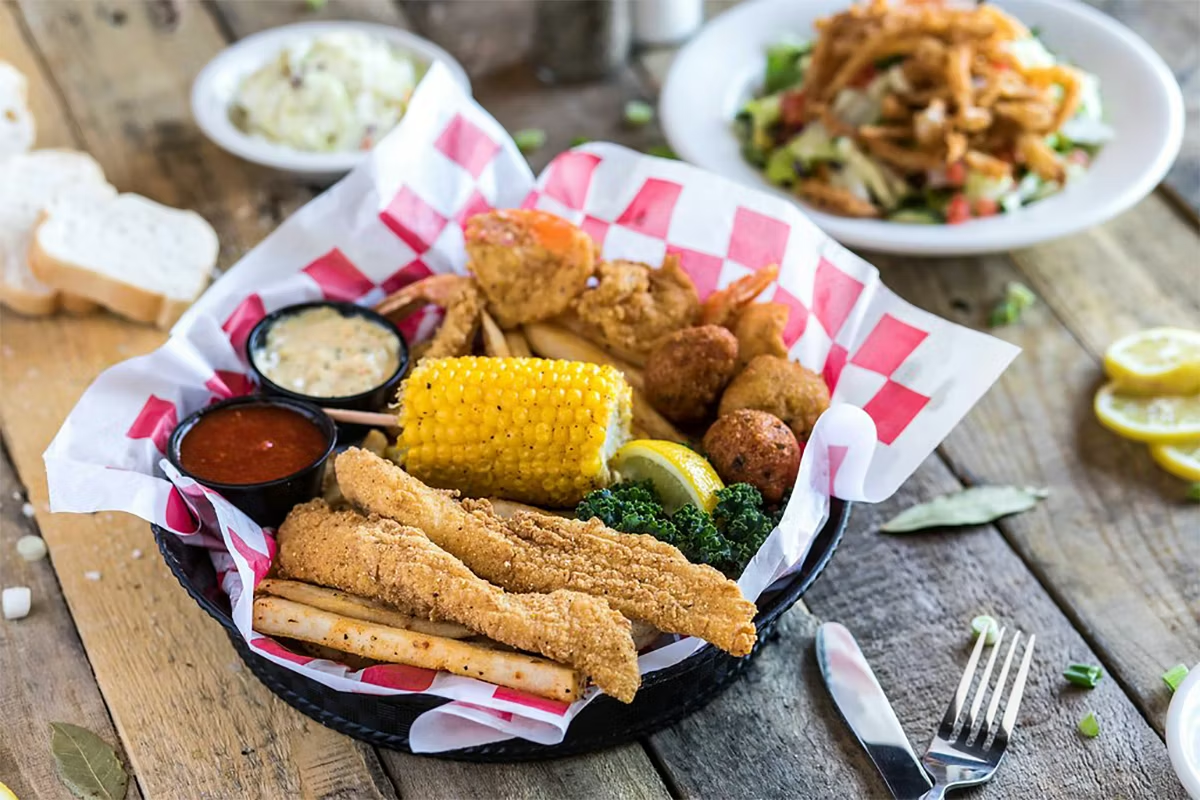
Serve the spread on butcher paper with hot sauce, drawn butter, and citrus nearby for a convivial Cajun cuisine or Cajun restaurant–style presentation.