The Kind of Atmosphere You Want in a Cajun Restaurant
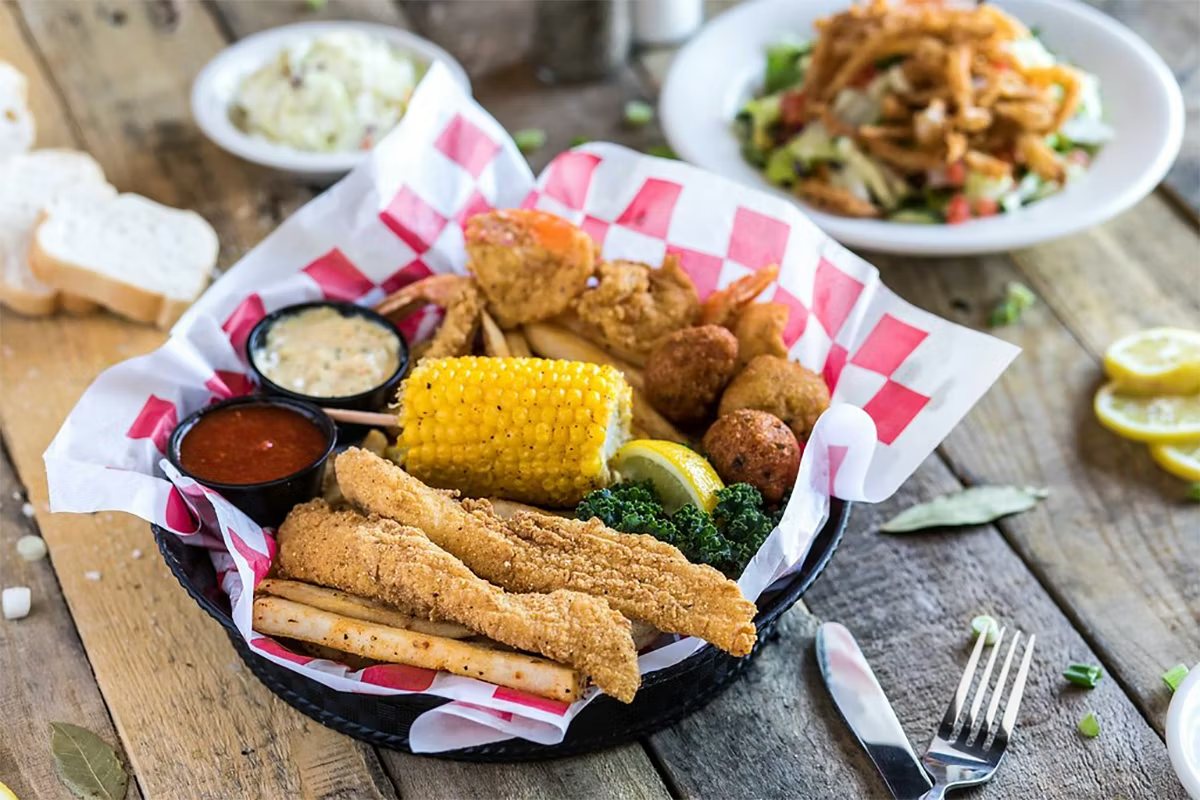
You want a Cajun restaurant that feels lived-in and welcoming, where amber light and worn wood set the table and small Mardi Gras touches suggest celebration without kitsch. You want the music low enough to talk over and servers who understand the roux and the spice levels that make Cajun cuisine sing. You want the kitchen smells of seafood and slow-simmered stews to draw you in and plates meant for sharing, and one name that comes to mind is Razzoo’s Cajun Cafe.
Quick Checklist: Is This a True Cajun Spot?
Before you sit down, take a quick look around to see whether there are handwritten specials, a chalkboard menu, or family photos on the walls. You’ll want to confirm a few practical signs that the Cajun restaurant respects its roots.
Check whether the Cajun cuisine menu highlights boudin, gumbo, jambalaya, and étouffée, and whether the seafood is local or Gulf-sourced. Listen for staff who pronounce dishes with regional terms and who can describe spice levels and the house roux.
Smell savory, buttered aromatics rather than only generic fried food.
Notice if service feels communal and unpretentious, with plates meant to share. If drinks include sweet tea, local beer, or a proper hurricane, those choices provide another good indicator that you’re in authentic Cajun country.
Sight: Cajun Décor, Lighting, Mardi Gras Details
When you walk in, your eyes immediately catch colorful bead strands, purple-green-gold masks, and battered brass instruments hung like trophies, small details that nod to Mardi Gras without turning the room into a parade float.
Warm, amber lighting flatters faces and seafood dishes alike, avoiding harsh spotlights or dim gloom that hides the plate.
The walls display vintage signs, framed gumbo recipes, and sepia photos of bayou life, providing authentic touches that celebrate Cajun cuisine rather than sliding into kitsch.
Tables and chairs are sturdy wood with simple linens, and low centerpieces keep sightlines open so diners can enjoy the room and their company.
Paint colors are earthy—deep reds, mossy greens, and weathered wood tones—that support a cozy, lived-in feel appropriate for a Cajun restaurant serving classic Cajun food.
Sound: Music, Noise Level & Server Rhythm
Sight sets the scene, but sound brings a Cajun restaurant to life. Guests should hear a warm mix of zydeco, brass-band riffs, and soft acoustic tunes at a level that energizes without drowning conversation. Background music should shift with the day, becoming livelier for dinner service and mellower for late lunches so diners feel buoyed rather than bulldozed. Overall noise is kept manageable by balancing playlist volume, table spacing, and soft surfaces that absorb clatter.
Servers match their steps and voices to the room’s tempo, moving briskly and speaking cheerfully during rushes and remaining unhurried and attentive during quieter stretches. The rhythm of service reinforces hospitality through timed greetings, paced plate delivery, and conversational pauses so sound supports comfort instead of chaos while guests enjoy Cajun cuisine and seafood specialties.
Taste & Scent: Cajun Menu Cues and Kitchen Aromas
Aroma guides appetite, so a Cajun restaurant should cue customers from the moment they step in with warm, savory scents of shrimp and andouille, browned roux, garlic, and citrus that make them anticipate the flavors to come. Design the menu to signal those smells by listing gumbo and jambalaya early, offering po’boys with crispy evidence, and featuring shareable plates that promise bold Cajun spice.
Place the kitchen and use an open pass so aromas can drift without overwhelming diners, and balance ventilation to keep fragrances enticing rather than fatiguing. Describe dishes precisely with terms such as charred, braised, and blackened so guests form taste expectations before ordering. Include short tasting notes and allergy indicators to help guide seafood and Cajun cuisine choices.
When smell and menu cues align, guests order confidently and enjoy a cohesive, memorable Cajun food experience.
Comfort & Community: Seating, Service Style, Rituals
Smells and menu cues set expectations, but seating, service style, and rituals make those expectations feel lived-in and shape how guests relax, interact, and experience Cajun cuisine. The seating should invite lingering through communal tables, booths for cozy groups, and a few bar seats for quick conversations in a Cajun restaurant setting.
Staff trained to be warm, unhurried, and knowledgeable guide orders, share traditions, and check in without hovering while enhancing the seafood and Cajun food experience. Rituals such as shucking oysters, cracking crab legs at the table, or calling out “laissez les bons temps rouler” turn meals into shared moments rooted in Cajun culture.
Lighting, music level, and plate pacing should support conversation and reinforce the sense of community. When layout, people, and practices align in a Cajun restaurant, guests feel part of a community rather than just customers passing through.
How to Spot a Great Cajun Spot Before You Go
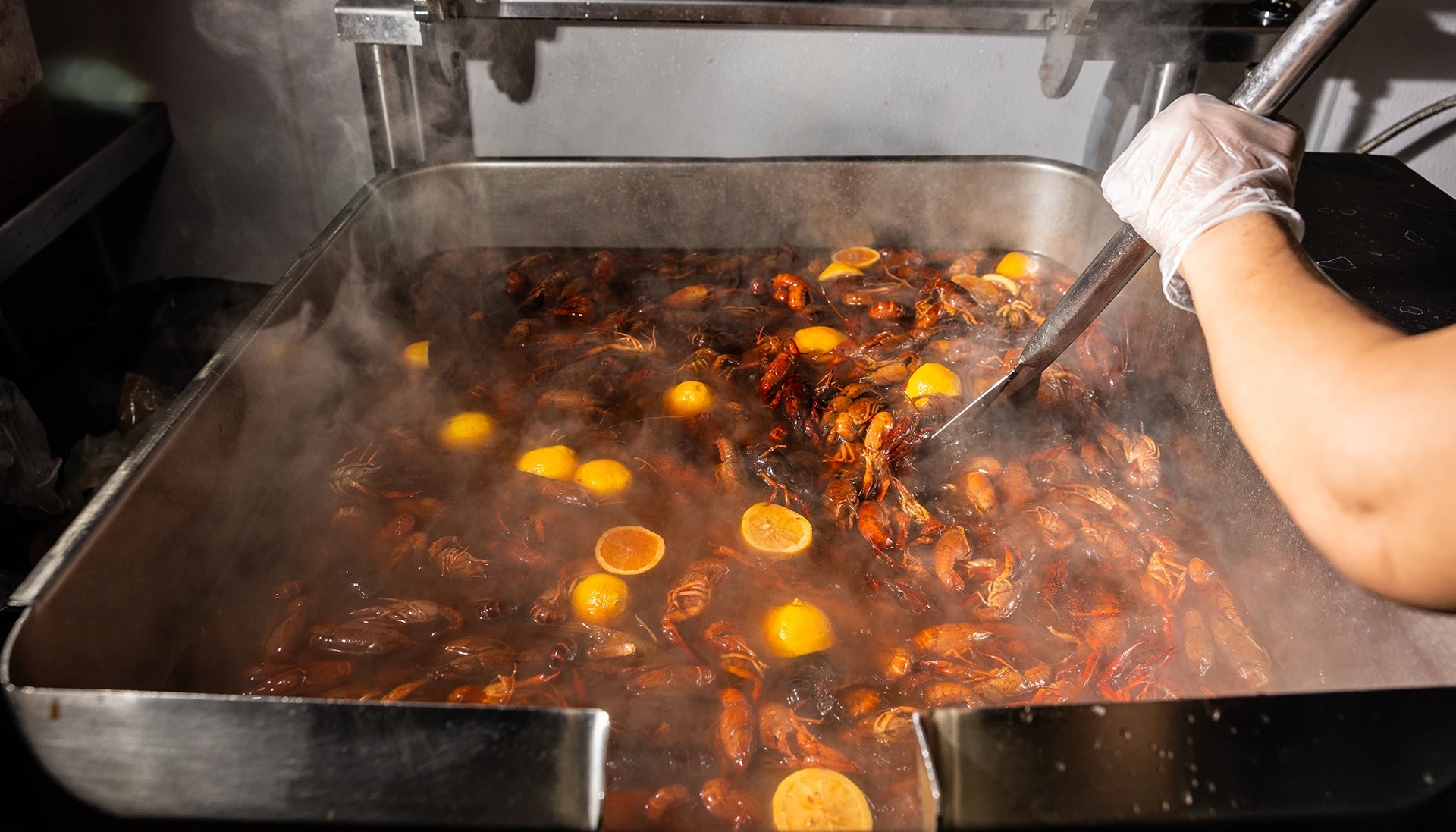
You can often tell a great Cajun spot from its online footprint and a few quick checks. Menus that focus on crawfish, gumbo, boudin and whole-shell seafood indicate a restaurant rooted in Cajun cuisine. Photographs that show convivial crowds and messy, hands-on eating capture the communal spirit of Cajun food.
Recent reviews that praise specific dishes and the service vibe help reveal whether a Cajun restaurant delivers consistently. Clear hours that align with local dining habits, such as late lunches and dinner, suggest the place knows its clientele.
Menus that list seasonal catches and daily chalkboard specials demonstrate attention to freshness and pride in seafood sourcing. Concise menus that emphasize technique over gimmicks point to cooks who respect tradition.
Social accounts with staff interactions and event-night posts reflect engaged ownership. Reading several recent reviews rather than relying on ratings uncovers recurring details, and repeat mentions of a cook’s name or a signature boil indicate standout dishes.
Calling ahead can clarify walk-in policies when plans require confirmation.