How Crawfish Went From Louisiana Staple to Texas Obsession
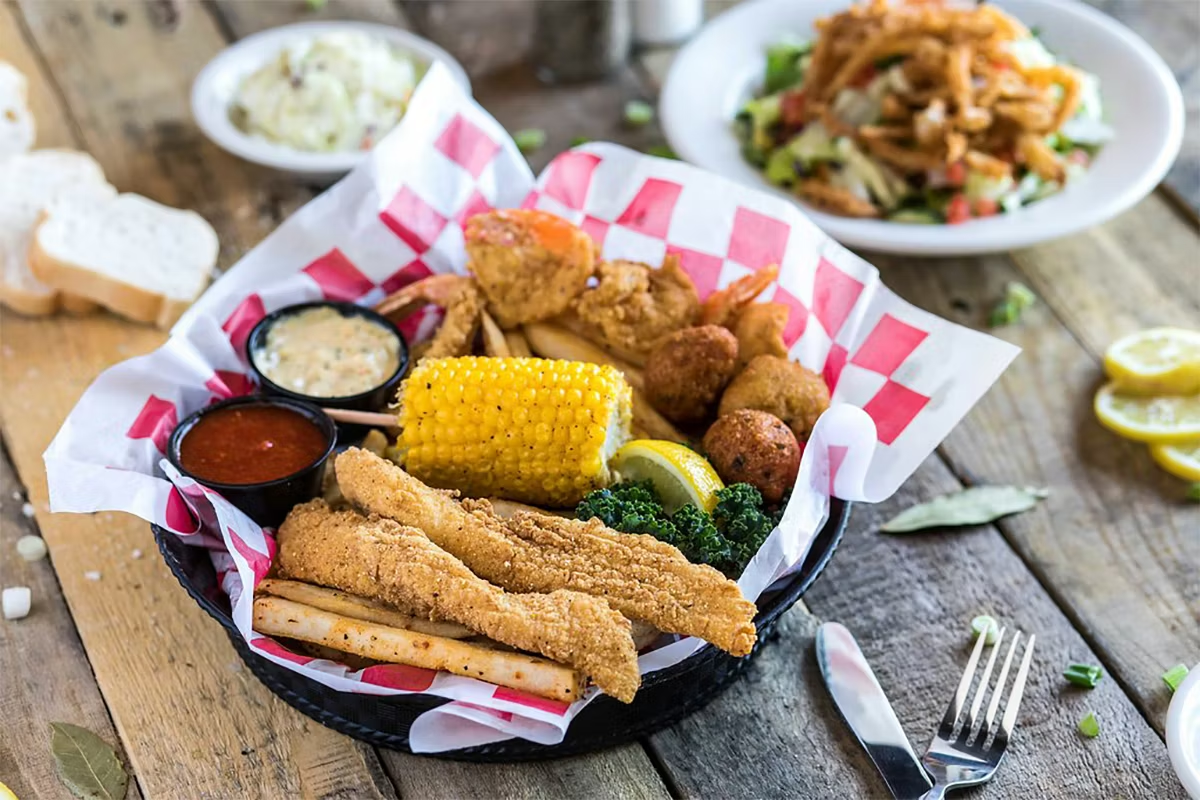
You’ve probably seen paper-covered picnic tables piled with red crawfish and wondered how that scene moved west from Louisiana’s bayous into Texas towns. The migration of people and recipes carried Cajun food and Cajun cuisine across the border, and rice fields were turned into farms to meet growing demand for fresh seafood. Bold Texan twists on Cajun boils helped the dish feel locally born, and festivals, food trucks, and economic forces combined to make the crustacean a statewide obsession. Fans of the flavor can even find dishes inspired by that tradition at Razzoo’s Cajun Cafe.
How Crawfish Came to Texas: Migration and Early Recipes
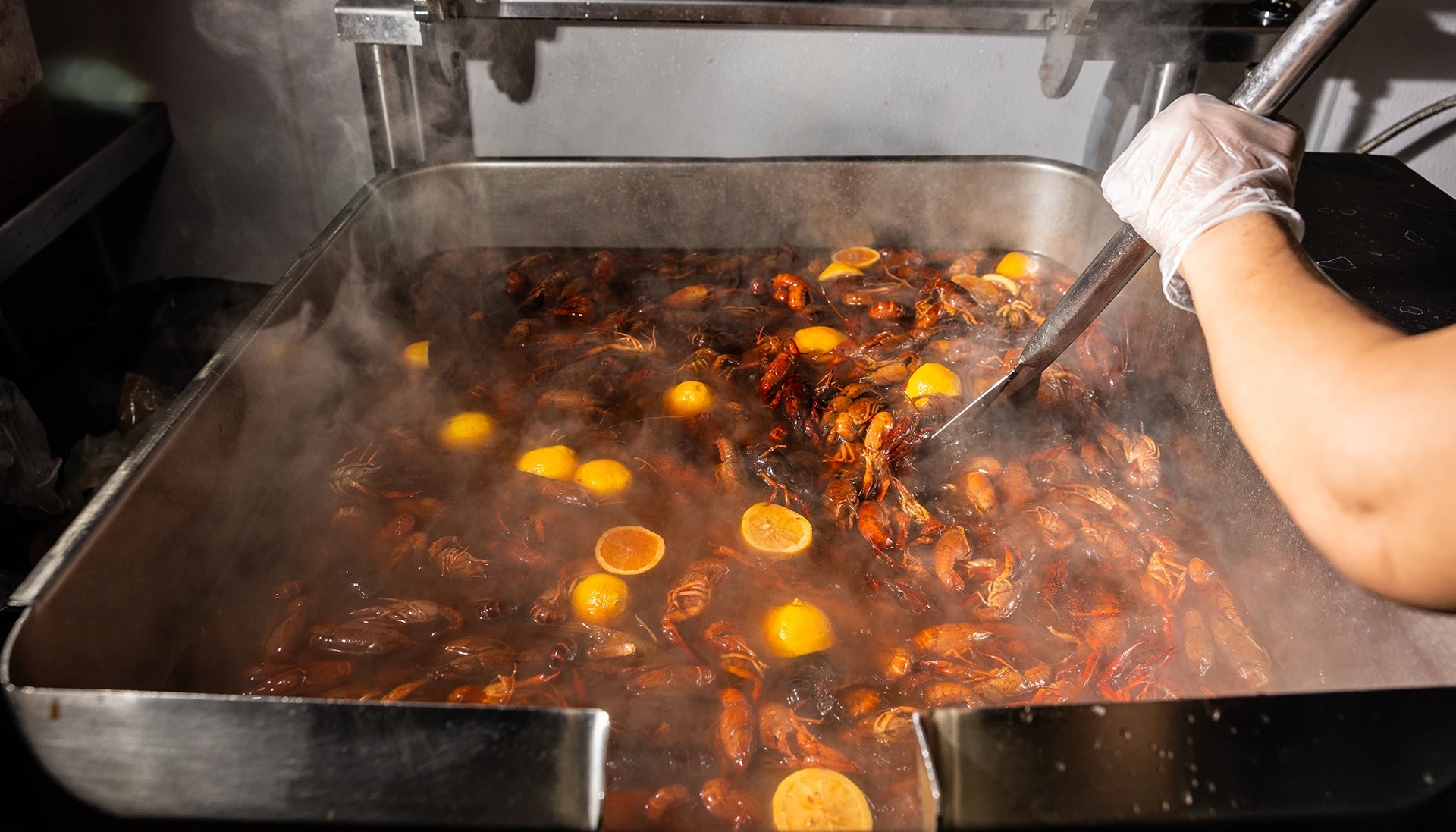
When French and Acadian settlers pushed into the Gulf Coast and inland bayous in the 18th and 19th centuries, they brought recipes and a taste for freshwater crustaceans that quickly found a home in Texas’s wetlands. Family recipes, market stalls, and riverbank gatherings trace crawfish’s arrival and show how simple boils — seasoned with salt, cayenne, and bay leaf — turned local crustaceans into communal meals.
Creole techniques blended with Spanish, German, and indigenous methods as stews were thickened with roux, spices were balanced with local vegetables, and seafood was paired with rice. Early Texas cooks adapted seasonings to ingredients that were available, which made crawfish accessible beyond ethnic enclaves and helped embed it into Cajun food traditions, Cajun cuisine, regional celebrations, and roadside cuisine.
How Farmers Built a Texas Crawfish Supply
As crawfish moved from backyard boils to town markets, farmers saw an opportunity to turn a seasonal pastime into steady production. Wetlands gradually gave way to farms as levees and ponds replaced marsh, and water control systems allowed growers to flood and drain on a reliable schedule. Farmers stocked juvenile crayfish bred in hatcheries and developed timing strategies that used rice fields as nurseries while winter drainage concentrated crawfish for harvest. Spring floods were used to trigger molts and feeding cycles, and mechanized traps, aeration, and selective breeding produced hardier strains that reduced losses from cold snaps and predators.
Marketing evolved alongside production, with coordination between growers and processors, cold-chain transport, and week-by-week harvest plans designed to meet restaurant demand. The result was a reliable Texas supply that supported Cajun cuisine and seafood restaurants through engineering, timing, and collaboration.
How Texans Adapted Cajun Boils Into Local Styles
Drawing on Cajun roots and Cajun cuisine while remaining unafraid to tinker, Texans turned the communal crawfish boil into a local canvas. They mixed bolder spices, swapped in Texas sausages and corn, and folded in backyard barbecue techniques so the result fit regional tastes and outdoor culture.
Cayenne and chili blends are pushed harder, and citrus and garlic brighten piles of mudbugs alongside classic Cajun seasoning. Regional sausages or smoked brisket are often tossed in for heft, and cooks substitute sweet corn on the cob for potatoes or add jalapeños and mesquite smoke to echo Texas pit traditions.
The events are served at long picnic tables on butcher paper instead of platters, and guests are encouraged to peel by hand and share, creating a social, smoky, spicy gathering shaped by Lone Star ingredients and hospitality while still honoring the seafood and flavors of Cajun restaurants and Cajun food traditions.
Where and When to Eat Crawfish in Texas (Festivals, Restaurants, Trucks)
Across Texas, you can find crawfish nearly year-round, though the peak season runs from late winter into early summer, and that’s when festivals, restaurants, and trucks are busiest.
You’ll find crawfish festivals in towns like Beaumont, Austin, and Houston, where lively gatherings let you sample regional boils, Cajun cuisine, listen to live music, and join communal tables.
Neighborhood seafood and Cajun restaurants serve daily boils and po’boys, often advertising spicy, garlic, or lemon-pepper variants, and they commonly accommodate large orders with advance notice.
Crawfish trucks and pop-ups park near parks, bars, and university campuses, and local social feeds are the best way to track their locations and times.
For the freshest catch, go early in the boil season and on weekdays to avoid lines, and bring paper towels, patience, and a willingness to get messy.
The Economic Impact of Crawfish on Texas Communities
Crawfish drive local economies year after year, pumping money into restaurants, bait shops, processing plants, and seasonal labor markets across Texas.
New jobs appear whenever harvests peak, and boat crews, packers, truck drivers, and festival staff all rely on the spring and summer demand. Local eateries, Cajun restaurants, and food trucks see steady revenue from crawfish menus and Cajun cuisine offerings, and suppliers who source equipment, ice, and spices nearby benefit from that business.
Small processors add value by cleaning and packaging crawfish for wider distribution, keeping profits in-state while supporting the seafood supply chain. Municipalities collect fees and permits tied to commercial harvests and events, which helps fund local services.
When harvests dip, communities feel the impact, demonstrating how tightly crawfish income is linked to local economic health and resilience.
How Cultural Blending Keeps Texas Crawfish Traditions Evolving
When Louisiana migrants brought their boil pots and spice blends to Texas, local cooks mixed those traditions with Mexican, Texan, and Southern influences, and the result keeps evolving every season. You taste that blend in a squeeze of lime, a dash of cilantro, a smoky chipotle kick, or a jalapeño tucked into the pot.
Crawfish nights often feature banda music while brisket shares the table with corn, esquites, and plates of Cajun food. Chefs riff on étouffée with queso fresco, and food trucks serve spicy crawfish tacos beside classic boils and other seafood offerings.
As people cook together, they swap techniques and ingredients, adapting Cajun cuisine to local crops and palates and keeping the tradition alive, flexible, and unmistakably Texan.