How to Know If a Restaurant Does Boiled Seafood Right
You can tell a restaurant does boiled seafood right by what you see, smell, and feel when the platter arrives. The shells should be brightly colored and easy to crack, and the meats should be firm but tender with a fresh seafood aroma. A glossy, balanced broth that carries the heat and spices of Cajun cuisine is another good sign, and menu notes about sourcing and timing often reflect care in preparation. When the dish lands on the table piping hot, that warmth helps keep textures and flavors true to classic Cajun food. Razzoo’s Cajun Cafe often highlights those same qualities in its seafood boils, so watching for a few specific textures and flavors will tell you whether the meal is done right.
Quick Checklist: 6 Signs Boiled Seafood Is Done Right
You can often tell at a glance whether boiled seafood was cooked properly by using a quick six-point checklist. Look for bright, translucent flesh that’s firm yet yields slightly when pressed, rather than being mushy or rubbery.
Shells on crustaceans should be vividly colored and easy to crack, because limp or darkened shells usually indicate overcooking or old product.
Scallops and shrimp should have a springy texture and a clean, slightly sweet aroma with no fishy odor, which is especially important in Cajun cuisine where fresh seafood is central.
Clams and mussels should be fully open after cooking, as any closed shells remain suspect.
Sauce and seasoning should enhance the natural flavor of the seafood instead of masking it.
Finally, the dish should be hot through rather than lukewarm, which signals proper holding and timing in a Cajun restaurant or at a seafood boil.
What the Menu and Sourcing Info Should Reveal
On the menu and in sourcing statements, you should see clear details that tell you where the seafood came from, how fresh it is, and whether the Cajun restaurant uses sustainable or local suppliers.
Menus that list species names, harvest regions, and date-of-catch or delivery notes demonstrate transparency about Cajun cuisine and seafood sourcing.
Statements that cite fishermen, co-ops, or certified fisheries imply accountability for the seafood served in Cajun food establishments.
When a menu highlights seasonal availability or rotating suppliers, it indicates a priority on freshness and traceability for seafood used in Cajun dishes.
Vague phrases such as “fresh” or “locally sourced” without specifics undermine confidence in the sourcing of Cajun cuisine and seafood.
Allergen and preparation notes are appropriate on menus so diners understand what’s included in a Cajun boil or other seafood preparations.
Clear sourcing reduces the risk of mislabeling and helps diners choose responsibly farmed or wild-caught options for their Cajun food.
How Prep and Timing Determine Doneness
Knowing where your seafood comes from matters, and the way a Cajun restaurant prepares and times the boil determines whether the dish tastes as fresh as possible.
You should notice texture first, since shrimp and lump crab should be firm rather than rubbery or mushy, and clams and mussels should open fully while remaining plump.
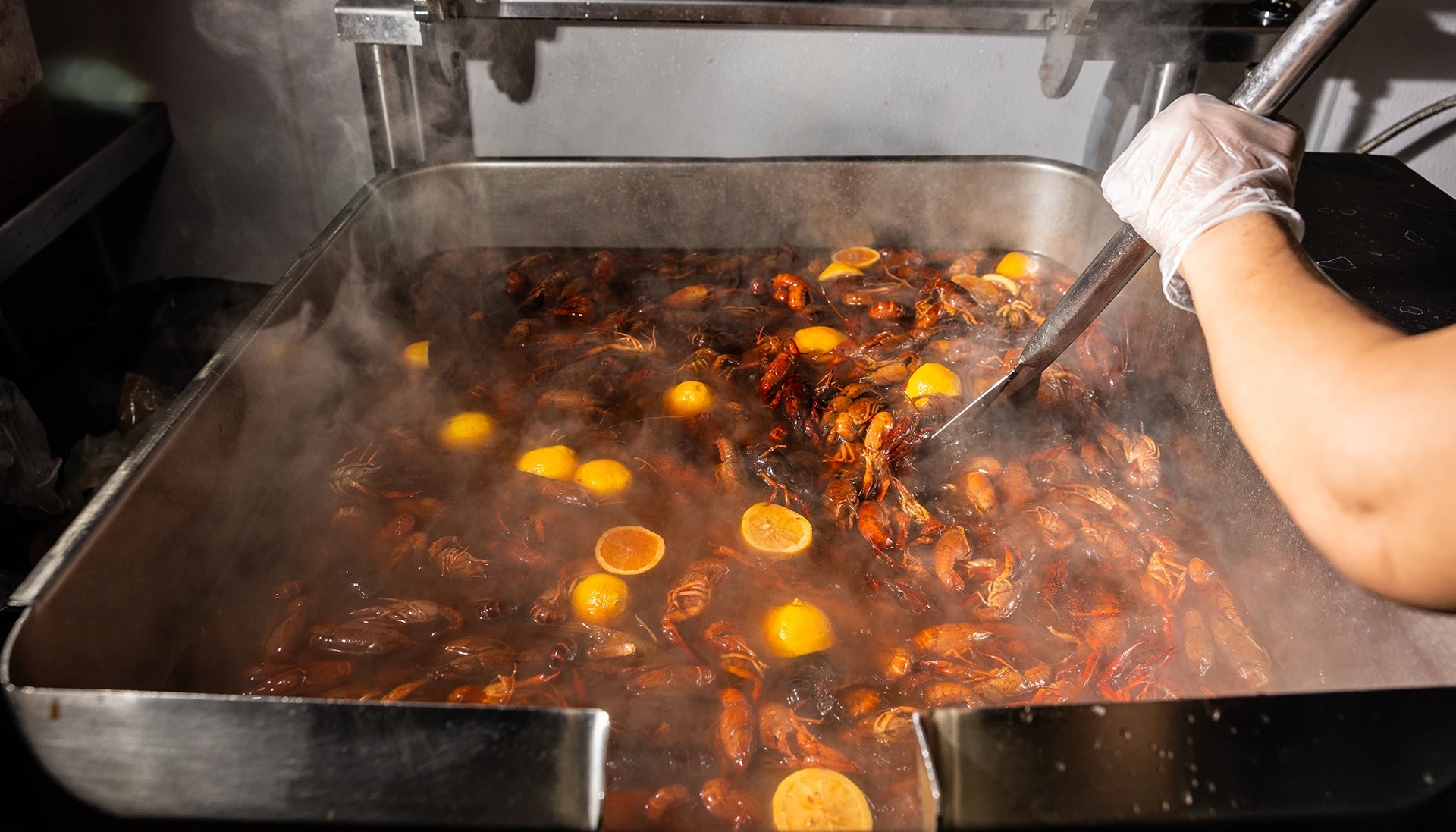
The kitchen should stagger items by cook time, adding dense pieces like whole crabs earlier and delicate shrimp last so nothing overcooks during the Cajun cuisine boiling process.
Proper trimming and scoring allow heat to penetrate evenly, and shells cleaned of grit prevent off-textures in the finished seafood.
Chefs test doneness visually and by touch instead of relying solely on the clock, adjusting heat and lift times when necessary.
When timing and prep are deliberate, every bite has the right snap and moisture in true Cajun food.
Broth: How It Should Look, Smell, and Taste
A proper broth should look glossy and rich without appearing cloudy, and its color should hint at the ingredients—deep amber from roasted aromatics, reddish from paprika or cayenne, or golden from shellfish stock.
The aroma should be clear and inviting, with bright citrus or bay leaf top notes, savory shellfish and onion undercurrents, and warm spice that lacks any chemical sharpness.
A careful sip will reveal balanced flavors, including saline notes from the sea, round umami from seafood and caramelized vegetables, and a measured heat that enhances rather than overwhelms the palate.
Acidity should brighten the broth without masking other flavors, and fat should coat lightly to carry the savory elements.
Broths that taste flat, metallic, or aggressively salty are cause for concern in any Cajun cuisine or seafood dish served at a Cajun restaurant.
Texture Cues for Shrimp, Crab, and Crawfish
When evaluating boiled seafood in Cajun cuisine, texture often matters more than appearance because shrimp, crab, and crawfish each provide distinct tactile cues that reveal how they were handled.
Shrimp should spring back with a slight snap, and shrimp that are mushy or rubbery indicate overcooking or undercooking.
Crab meat should flake into broad, moist ribbons, while dry, stringy crab meat suggests it sat too long or was overcooked and crumbly meat can point to poor handling.
Crawfish tails should feel firm and slightly resilient when squeezed, and a limp tail indicates the crustacean was cooked too long or thawed poorly.
Consistency across pieces matters in Cajun food presentations, because a few perfect bites don’t make up for uneven texture throughout a batch served at a Cajun restaurant or in a seafood dish.
What Good Seasoning and Heat Should Taste Like
Texture reveals how the seafood was handled, while seasoning and heat reveal whether the cook understood how to balance flavors. You should taste a clean baseline of the crustacean — sweet, briny, and distinct — followed by layered seasoning that enhances rather than hides the natural flavor.
Good heat brings warmth that opens aromatics, with cayenne or black pepper providing a quick bite and paprika or smoked spice adding depth. Garlic and citrus brighten the profile and make the seasoning sing alongside the briny sweetness. Salt must be balanced so it seasons through without tasting overtly salty on first bite. Heat should linger pleasantly and shouldn’t numb the tongue or overwhelm the delicate flesh.
When seasoning and heat work together in Cajun cuisine, you notice more nuance and every bite feels intentional and complete.
Table Red Flags: Spotting Undercooked or Overcooked Seafood
When you scan a platter, watch for a few clear red flags that indicate the shellfish wasn’t cooked correctly.
Rubbery, tightly curled shrimp or lobster signal overcooking. Translucent, glossy centers or a jelly-like firmness in shrimp, lobster, scallops, or other seafood suggest undercooking. Uneven color such as mottled scallops or shrimp with pale bands indicates inconsistent heat.
Clams and mussels should sit plump in their shells, since shriveled flesh means they’ve been left too long.
Overly dry crab meat flakes apart and lacks sheen, whereas underdone crab feels slightly gelatinous.
Smell matters because a sour or overly fishy odor can accompany improper cooking.
Texture should be springy rather than gummy or chalky when you bite into the seafood, whether it comes from a Cajun restaurant serving Cajun food or from another source.
What to Ask Staff : And When to Send It Back
Speak up early and confidently if something in your Cajun cuisine looks or smells off, because staff want to know before you leave the table.
Ask simple, specific questions such as "When was this batch cooked?", "Is the shellfish fully cooked through?", or "Can you check the internal temperature?"
Watch for clear, direct answers and a willingness to remedy the problem, and remember that seafood that appears undercooked should be sent back immediately rather than nibbled around.
If a Cajun dish arrives overcooked and dry, request a fresh portion or a substitution from the kitchen. If staff hesitate to help, insist on speaking with a manager to resolve the issue.
For minor problems like excess seasoning or a small cold spot, ask for a quick reheat or sauce on the side, and maintain a firm but polite tone so that clear communication results in safer, better food at a Cajun restaurant.