What a Seafood Boil Says About a Restaurant
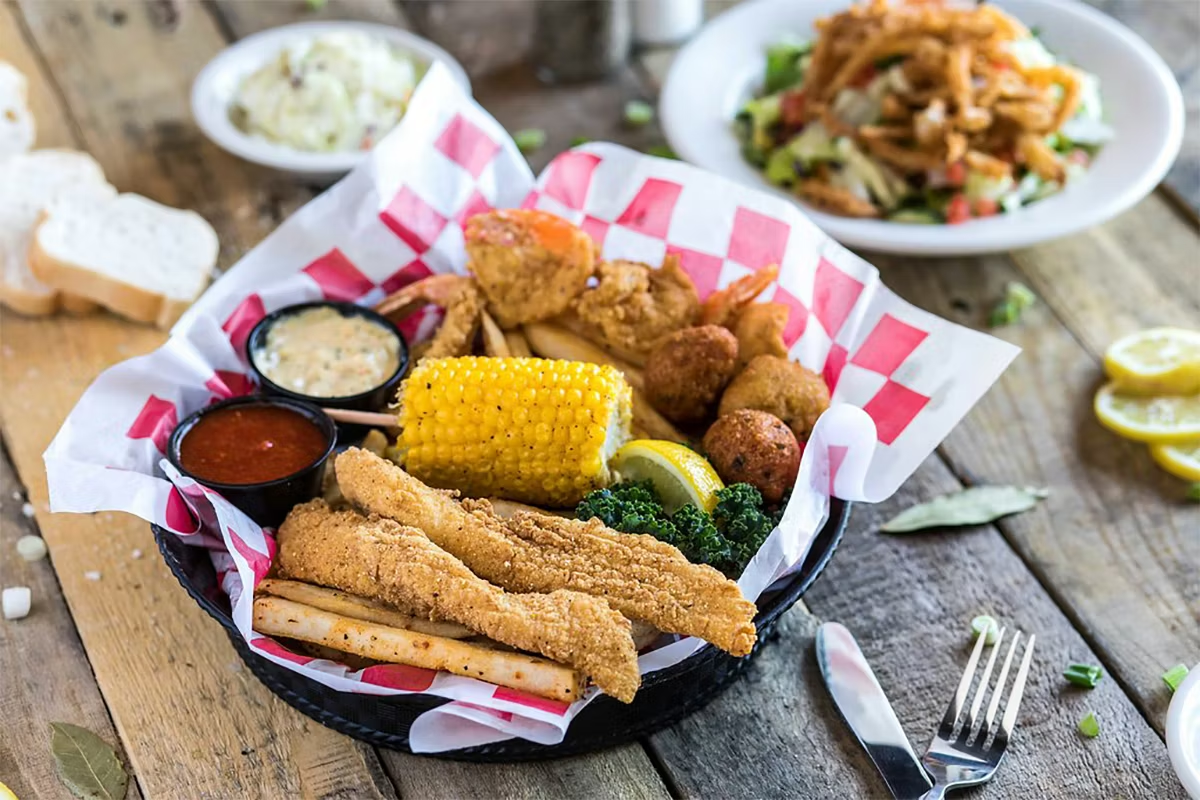
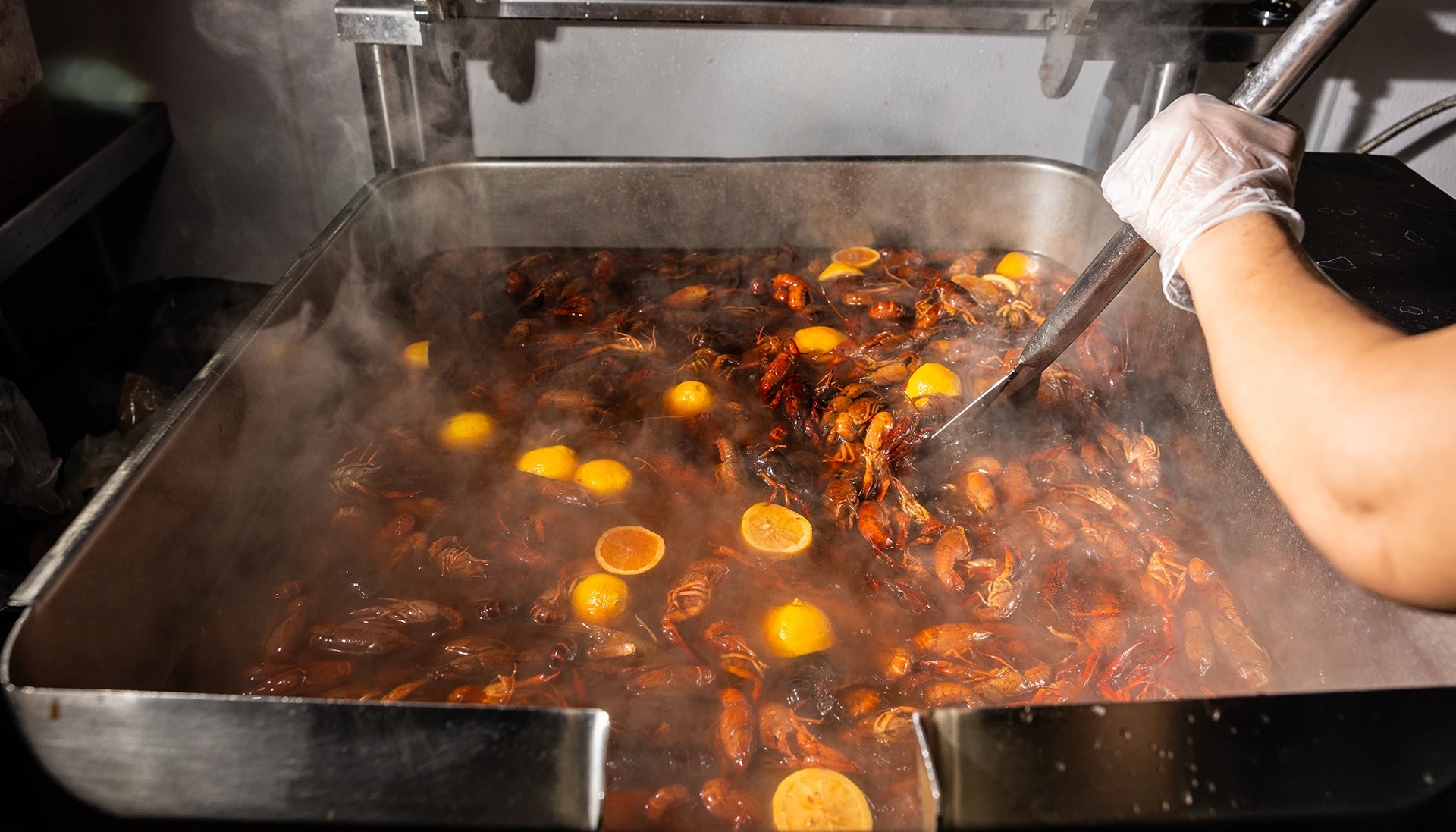
When you order a seafood boil, you’re testing more than a single dish; you’re evaluating the restaurant’s suppliers, timing, and taste. Generous, uniform shellfish and a clean aroma indicate care about quality, and shrimp that snap reveal attention to proper cooking technique. The seasoning and sauces show whether the kitchen respects the seafood or is trying to mask it, and that distinction is especially important in Cajun cuisine where spice balance matters. A well-executed boil will reflect the flavors and heritage of Cajun food, while a sloppy one will undermine the whole experience. Razzoo’s Cajun Cafe often centers its menu around those same principles, making the difference between a memorable meal and a forgettable one.
Quick Checklist: 8 Things to Glance For Before You Order a Seafood Boil
Before you commit to a seafood boil, scan the essentials so you know what you’re getting. Check how fresh the seafood looks and smells and confirm portion size and what’s included. Ask about heat level and seasoning options, and verify whether the sides and dipping sauces are homemade.
Note the cook time and how the boil is served, and confirm pricing along with any hidden fees. Make sure the restaurant handles allergies and shell disposal in the way you prefer. Ask about sourcing to learn whether the kitchen uses local or frozen seafood and whether the kitchen batches boils to order or reheats pre-cooked bags.
Look for menu transparency through clear ingredient lists, stated spice levels, and substitution policies. Notice the service rhythm to see whether staff are informed about dish details. Finally, confirm cleanup supplies and packaging for takeout when you place your order.
Why a Good Seafood Boil Signals Ingredient Quality
You’ve checked the basics, and the boil itself reveals a great deal about ingredient quality.
When seafood is fresh, shrimp have a firm snap, crawfish shells appear vibrant, and crab meat flakes cleanly. Minimal off-odors and clear, bright color are signs of freshness rather than dullness or excessive mottling.
Proper cooking technique—such as even heat and correct timing—helps preserve sweetness and moisture instead of producing dry or rubbery results.
Seasoning in Cajun cuisine should enhance the natural flavors, with subtle spice and real butter reflecting confidence in the raw product.
Garnishes like fresh herbs or lemon suggest attention to freshness and presentation in a Cajun restaurant setting.
A well-executed seafood boil signals care at every step, and that care usually begins with quality ingredients.
How Portions and Selection Reveal Sourcing and Value
When a Cajun restaurant portions generously and offers a thoughtful mix of species—whole crabs, jumbo shrimp, fresh oysters alongside seasonal shellfish—it communicates where the seafood is sourced and how much the kitchen values its ingredients.
Consistent size within a species reflects selective procurement, while diverse choices indicate strong supplier relationships and awareness of seasonal Cajun cuisine offerings.
Larger portions at fair prices suggest margins built on freshness rather than cost-cutting.
Mixed sizes or an over-reliance on cheap fillers reveal inconsistent sourcing or attempts to stretch inventory.
Menu descriptions and daily specials convey confidence in origin and turnover.
Portions and selection provide a practical read on a Cajun restaurant’s priorities, including transparency, seasonality, and respect for the catch.
Texture & Doneness: How Cooking Technique Exposes Kitchen Skill
Portions and selection indicate what a kitchen values, but texture and doneness reveal how well cooks execute those choices. You judge skill by how crab meat flakes, how shrimp snaps, and how clams still give when you bite into them. Overcooked seafood becomes rubbery or chalky, while underdone shellfish feels gelatinous or resists your fork.
A chef who times boils, adjusts heat, and stages batches produces consistent results across a table. Even corn and potatoes should be tender but not mushy, which reflects coordinated timing in the kitchen. Uniformity matters in Cajun cuisine and in any Cajun restaurant; if one crab leg is perfect and another is overdone, mise en place or communication has broken down. Good technique in Cajun food reveals discipline, and sloppy doneness betrays haste or inexperience.
Spice, Seasoning, and Balance: What the Flavor Profile Tells You
Though a boil’s heat and timing shape texture, its seasoning makes the dish sing or fall flat. You notice immediately whether a chef respects balance: salt levels that enhance sweetness without overpowering brine, citrus or acid brightening richness, and heat that lifts rather than numbs.
A thoughtful Cajun spice blend complements the seafood instead of masking it, and you can still taste shrimp or crab beneath the seasoning. Consistency across batches tells you the Cajun restaurant kitchen calibrates recipes rather than eyeballs them.
When spice is layered—herbs, aromatics, and a finishing touch of butter or oil—you get complexity. If the flavor is one-note or sloppy, the establishment either shortcuts quality or lacks palate discipline. Flavor reveals care, technique, and respect for the primary ingredients of Cajun cuisine.
Sides, Sauces, and Accompaniments That Show Menu Thoughtfulness
Seasoning reveals when a kitchen respects its seafood, and the sides, sauces, and accompaniments show whether that respect extends across the entire meal. Thoughtful sides balance richness, offering corn that’s sweet without being cloying, potatoes that soak up flavor without turning mushy, and greens that provide a bright contrast.
Sauces clarify intent by pairing with the food, whether through a citrusy vinaigrette for brightness, a tangy remoulade for depth, or a restrained butter sauce that doesn’t overpower. Cajun cuisine often demonstrates this kind of care by combining bold seasoning with complementary accompaniments.
Menus that include a variety of textures and heat levels, such as pickled onions, charred lemon halves, or a cooling herb crema, enhance the overall dining experience. A careful Cajun restaurant will offer portioned accompaniments that invite mixing and matching rather than presenting identical starches that flatten every bite.
These choices communicate that the kitchen planned the whole experience.
Presentation, Service Style, and Hospitality Cues to Watch
You’ll often notice a Cajun restaurant’s care before the first bite in how the seafood boil arrives and in how servers explain the meal.
The boil should come hot and either neatly plated or spread on butcher paper, and it should be portioned so everyone receives a fair share.
Servers who describe spice levels, ingredients, and pairing suggestions naturally rather than reading a script make the Cajun cuisine feel more authentic.
Practical touches such as bibs, moist wipes, communal trays, and easy access to trash and wash stations demonstrate attention to the dining experience.
Hospitality in a Cajun food setting shows in timing when sides arrive together, refills are offered, and checks are paced so diners aren’t rushed.
Friendly, knowledgeable staff who read the table help the meal feel curated instead of chaotic.
Red Flags and What to Do If Your Boil Looks Off
If something about your boil looks off, trust your instincts and speak up; cold seafood, a sour smell, or a slimy texture are immediate red flags that mean you shouldn’t eat it.
Tell your server calmly, describe the issue, and ask for the item to be remade or removed from your bill. If the staff shrug or delay, escalate your concern to the manager and request a refund or a replacement plate. Take a photo for documentation if you feel uneasy about the Cajun food or Cajun cuisine served.
If you experience symptoms after eating—such as nausea, vomiting, or diarrhea—seek medical attention and keep any leftovers for possible testing. Report serious problems with a Cajun restaurant’s seafood boil to your local health department so they can investigate, because a restaurant’s response reveals as much as the food and prompt, apologetic action shows a responsible kitchen.