Why Crawfish Season Feels Like a Holiday in Texas
You know how a neighborhood slows down the minute a boil gets announced: phones buzz, calendars clear, and everyone finds an excuse to hang out in the yard. The smell of spice and steam from Cajun cuisine pulls people outside, the work is shared, and a whole night is organized around simple, tactile pleasures. There is comfort in those rituals, and once you have been to one, you will see why it starts to feel like an annual holiday centered on Cajun food and seafood. Razzoo’s Cajun Cafe often brings that same communal energy to its tables.
Why Crawfish Season Feels Like a Holiday in Texas
When crawfish season arrives, the town seems to slow down as friends call, families plan boils, and backyards fill with steaming pots and laughter.
The calendar feels different, with weekends reserved for gatherings and workday nights turned into prep sessions for Cajun food and seafood-centered feasts. Invitations come in like holiday cards, and you reconnect with neighbors and old friends through shared tasks such as setting tables, peeling shells, and swapping quick stories.
The gatherings become as much about the company as the meal, where pride in rituals — choosing spices, timing the boil, and laying out newspaper for a messy, communal feast — adds to the joy.
The routine repeats yearly, offering predictable pleasure and a sense of belonging that lifts ordinary days into something celebratory and tied to Cajun cuisine.
Smells, Sounds, and Tastes That Make a Boil Feel Like a Party
Usually the minute the pot comes off the burner, you know the party has started: steam carrying bright, spicy heat hits your nose and makes you involuntarylly smile. Laughter and the clatter of shells on paper-covered tables fill the air, creating a rhythm that keeps time with cold beers being opened.
The crackle of propane and the occasional hiss as juices hit the heat join the conversation, producing a soundtrack that feels lively and familiar. The first claw tastes briny and buttery and is punched by cayenne, and the sweetness from corn and potatoes soaked in seasoning follows.
Citrus and garlic cut through the richness, and communal dipping sauces let diners tweak heat and tang. Every sensory detail pulls you into a celebration of Cajun cuisine and seafood that feels simple and immediate.
Backyard Ritual: Staging a Communal Crawfish Boil
Every spring you gather neighbors, fold out long tables, and turn your backyard into a communal kitchen where the boil—loud, fragrant, and unhurried—becomes the event.
You assign simple roles: someone minds the burner, another tends the firewood or propane, and a few arrange seating and paper-lined table runners. You hang string lights and set out communal tools—paddles, strainers, and large drains—while positioning trash and recycling for easy cleanup. Kids have a supervised corner with games, and elders claim shaded spots to chat.
You coordinate arrivals so anonymity gives way to greetings and shared work as people haul ice, stack lemons, and fold newspaper. By dividing tasks and keeping supplies visible and accessible, cooking becomes conversation and hosting feels effortless amid the aromas of Cajun cuisine and fresh seafood that call to mind a favorite Cajun restaurant.
Crawfish Food, Drinks, and Timing (What to Serve and When)
Plan your menu and timing so the food and drinks flow with the rhythm of the boil, with chilled beers and simple cocktails served during the first hour, a big pot of seasoned crawfish as the main event, and light, palate-cleansing sides served both during and after the peel.
Start the spread with salty snacks such as pretzels, boiled potatoes, and corn so people can nibble while the pot comes up to temperature.
When the Cajun cuisine-style crawfish hit the table, present crusty bread and vinegar-based coleslaw to cut the spice. Offer lemon wedges, buttered corn, and extra seasoning for guests who want more kick.
Pace the servings so the main seafood batch arrives after most guests have had a drink and a snack.
Finish the meal with easy desserts such as fruit salad or pound cake while providing plenty of water to rehydrate.
How to Join a Boil and Etiquette for First-Timers
Once the pot has been set and the plates are ready, it’s time to join the boil itself, whether you’re a guest at a backyard cookout or stepping into your first community boil. Show up on time and bring something simple if asked, such as ice, drinks, or a side dish. Introduce yourself to the host and to nearby diners so everyone knows who you are. Wait for the head nod or an announcement before digging in, since some boils begin with a communal prayer or a toast.
Use the paper table cover as your workspace, peel and eat at your spot, and discard shells in the designated pile or in a garbage can. Don’t hog the crawfish or the seasoning shakers, and offer to pass trays around the table. If you’re unsure about anything, observe the way others are doing it for a short while and ask one clear question rather than guessing. The experience often reflects the warmth of Cajun cuisine, the bold flavors of Cajun food, and the communal spirit common at seafood boils and in many Cajun restaurants.
How to Host a Low-Stress Crawfish Boil (Simple Checklist)
Hosting a low-stress crawfish boil comes down to smart preparation and keeping things simple so you can enjoy the party as well.
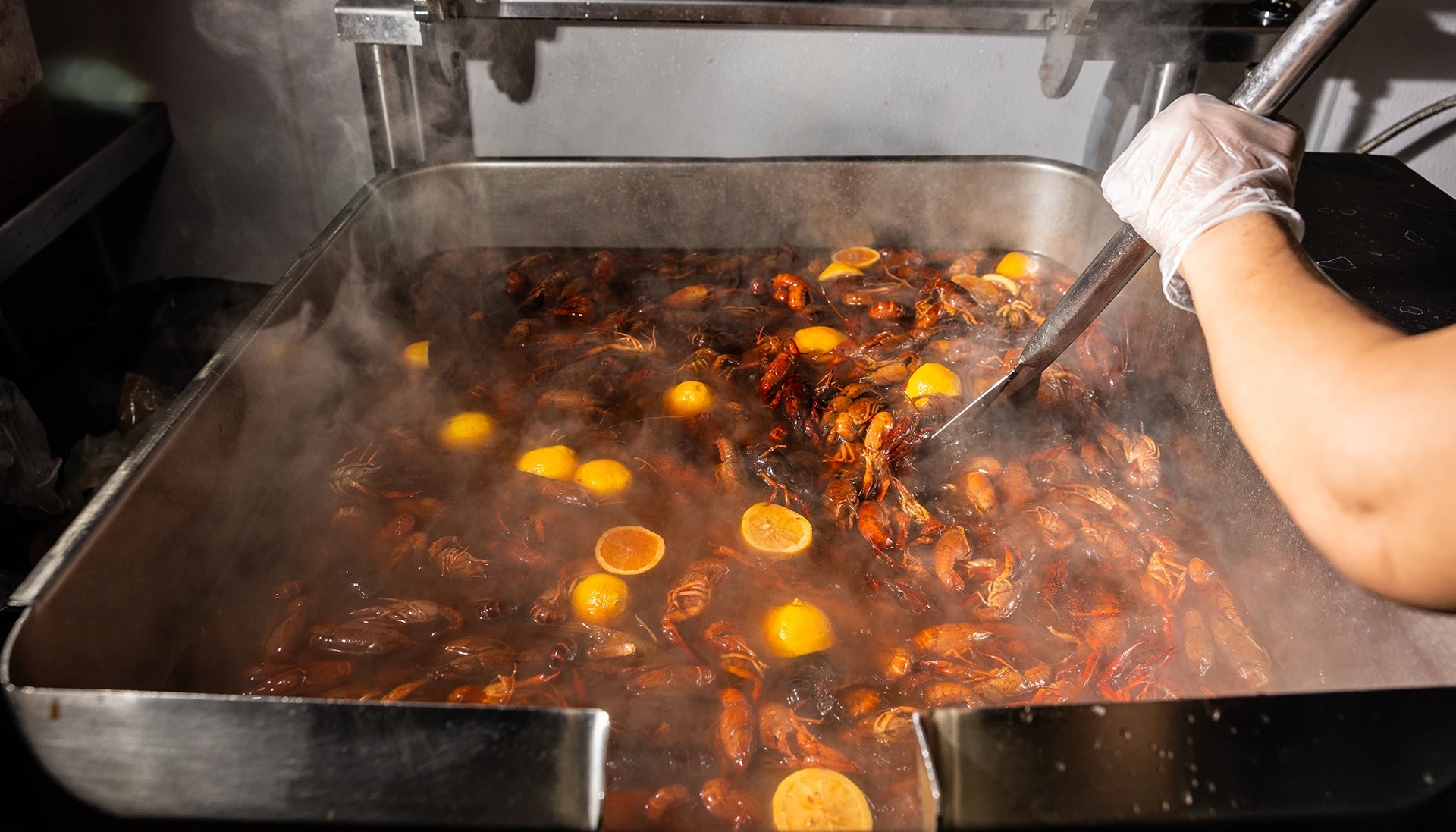
Choose a manageable guest count and pre-order live crawfish from a trusted vendor to ensure fresh seafood for the event. Plan cooking times carefully, allowing about five to seven minutes per batch once the water returns to a boil so each batch cooks evenly.
Rent or borrow a large pot and propane burner, and arrange clear stations for cooking, serving, ice and drinks, and trash to keep flow organized.
Prepare sides and condiments ahead of time, including corn, potatoes, sausage, melted butter, and lemon wedges, so guests can easily grab what they want.
Cover tables with butcher paper, provide crab mallets or small forks, supply plenty of napkins, and set up hand-washing stations or sanitizer for convenience.
Designate one person to monitor the boil so others can mingle and relax while enjoying the Cajun cuisine and other Cajun food favorites.
Regional Twists: East Texas, Houston, San Antonio, Austin
Across Texas you’ll find crawfish boils with distinct regional flavors, from East Texas’ smoky, pepper-forward pots to Houston’s multicultural spice blends, San Antonio’s Tex‑Mex accents, and Austin’s foodie-driven twists.
In East Texas you’ll taste heavier smoke from hickory or mesquite and straightforward heat that pairs with white bread and cold beer.
In Houston you’ll encounter Gulf influences alongside Creole and Vietnamese seasonings, and the city’s diverse culinary scene brings sauces and sides that reflect its seafood and Cajun cuisine connections.
San Antonio adds chili powder, cumin, and cilantro to its boils, turning the plates toward tacos and picnic-style servings that sit comfortably next to Tex‑Mex and Cajun food favorites.
In Austin you’ll find experimentation with craft spices, citrusy herb blends, and fusion sides like kimchi slaw, and the city’s restaurants often blend local produce with seafood traditions and inventive Cajun-inspired touches.
Wherever you go in Texas, the crawfish boil remains communal and casual, centered on good company and shared plates of spicy, fragrant seafood.